

Across presentations and panel discussions, industry experts highlighted how social media, retail experimentation, regulatory shifts and emerging technologies are influencing everything from product development to merchandising strategies. Despite economic uncertainty, speakers agreed that confectionery remains a resilient category – one that continues to thrive by adapting quickly to changing consumer behaviour.
Innovation Drives Category Growth
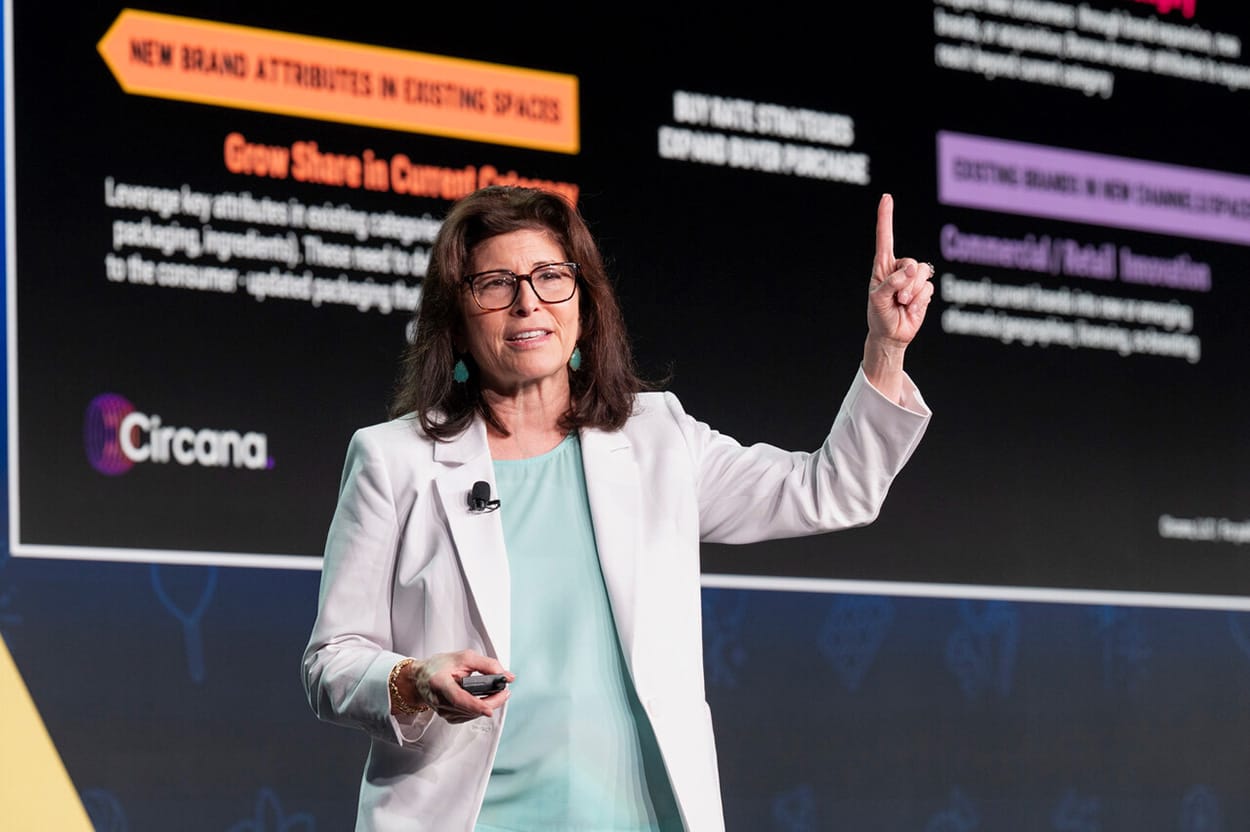
During the session How Innovation Is Shaping the Future of Confectionery, Sally Lyons Wyatt, global EVP and chief advisor for consumer goods and foodservice insights at Circana, outlined eight forces shaping the category’s future.
Innovation, she noted, has helped propel confectionery to become the No. 2 department in retail stores. Nearly half – about 49% – of category innovation comes from leading brands, while new brands, sub-brands and flavour extensions are also serving as major growth drivers.
Advertisement
At the same time, manufacturers are responding to shifting consumer expectations around value, convenience and experience. Companies are increasingly designing products and packaging that appeal both to everyday consumption and seasonal occasions, while also adapting to omnichannel shopping behaviours, she said.
Pricing strategies, pack sizes and product formats are also evolving as brands try to meet consumers where they are financially while still delivering excitement and novelty.
TikTok Emerges as a Discovery Engine
One of the most significant forces accelerating innovation is the rise of social commerce – particularly TikTok.
Lyons Wyatt described TikTok as a “discovery platform, period,” emphasising its growing influence on how consumers learn about new products. TikTok Shop alone now represents roughly $6.5 billion in sales, and food and beverage products – including confectionery – have rapidly gained traction on the platform after being virtually nonexistent there less than two years ago.
Some emerging candy brands are even building early momentum on TikTok before securing national retail distribution, using viral trends and influencer content as a testing ground for new ideas.
These viral moments can dramatically compress traditional innovation timelines. Products that gain traction online can move from social buzz to retail demand in a matter of weeks, creating new pressures – and opportunities – for manufacturers.
Texture, Playability and Pop Culture
Products that perform well on social media often share several visual and experiential characteristics.
Lyons Wyatt pointed to the growing popularity of “playable candy” – products designed to be interactive, visually engaging or surprising. Items with peel-and-reveal elements, layered textures or unconventional formats translate particularly well into short-form video and ASMR-style content.
Recent viral trends, including freeze-dried candy and the so-called “Dubai chocolate” phenomenon, illustrate how unusual textures and novelty formats can capture consumer attention and spread quickly across digital platforms.
Pop culture collaborations are also gaining momentum. Partnerships tied to movies, entertainment franchises or nostalgic brands allow confectionery companies to tap into established fan communities and generate social conversation around limited-time offerings.
Digital Discovery Meets Retail Execution
Despite the rising importance of social media, speakers emphasised that brick-and-mortar retail remains the backbone of confectionery sales.
E-commerce contributed about 14% of category growth in 2025, reflecting the increasing role of omnichannel shopping. However, in-store merchandising, seasonal displays and impulse-driven placements continue to drive trial and category momentum.
Lyons Wyatt encouraged manufacturers to strengthen both digital and physical retail strategies. Priorities include improving product descriptions with searchable attributes and seasonal keywords for AI-driven discovery, developing launch strategies that build in-store awareness before expanding online, and using TikTok Shop as a platform for testing new concepts.
Together, these strategies highlight how confectionery innovation increasingly sits at the intersection of social media, data analytics and retail execution.
Confectionery Remains a ‘Little Luxury’
Retail leaders speaking during the conference’s State of Retail panel reinforced the category’s resilience even amid economic pressure.
Moderated by Lyons Wyatt, the discussion included executives from Target, CVS Health, Candy Funhouse, Gopuff and Casey’s. Panellists agreed that candy continues to perform well because consumers view it as an affordable indulgence.
Even as shoppers tighten discretionary spending, confectionery remains a dependable purchase – a small reward during periods of financial caution.
Retailers are responding by leaning into trend-driven innovation, particularly products gaining visibility through social media. Viral moments increasingly influence demand before consumers ever reach store shelves.
At the same time, retailers stressed that core brands remain critical to category performance. Rather than allowing legacy brands to become static shelf items, companies are refreshing them through limited-time flavours, collaborations and stronger marketing activations.

Personalisation and Convenience Reshape Retail
Digital commerce and convenience channels are also evolving rapidly.
Executives noted that personalisation, faster fulfilment, and on-demand purchasing are becoming central to the snacking experience. Rapid delivery platforms are responding by using data to tailor assortments and recommendations for individual shoppers.
Convenience stores continue to serve as important testing grounds for new confectionery products. Because of their smaller footprints and fast-moving inventory, these retailers can experiment with new items more quickly than many larger formats can.
Across channels, retailers are increasingly adopting “test-and-learn” approaches. Pilot launches, limited releases, early sampling and closer collaboration with manufacturers allow retailers to evaluate performance before committing to broader rollouts.
Artificial intelligence and digital merchandising tools are also expected to play a growing role in helping retailers optimize assortments and improve product discovery.
Natural Ingredients Bring New Challenges
While innovation and digital engagement are driving growth, manufacturers are also navigating increasing scrutiny around ingredients.
During the panel Navigating Natural Ingredients: Regulation, Formulation, and Market Impact, experts from the legal, supplier and manufacturing sectors discussed the complexity of shifting toward natural formulations.
Panellists noted that roughly 130 ingredient-related bills were introduced across US states in 2025, although only about a dozen ultimately became law. Companies were advised not to react to every proposal as if it will immediately become a regulation, but instead monitor which initiatives gain real traction.
Speakers also raised concerns about the potential for a patchwork of state regulations, suggesting that federal standardisation could eventually provide greater consistency across the marketplace.
Replacing synthetic ingredients – particularly colours – poses technical challenges as well. Natural colours derived from botanical sources are often more sensitive to environmental and processing conditions, including heat, light exposure, pH levels and oxygen.
As a result, reformulation may require new manufacturing processes, different packaging formats or even refrigerated storage to maintain product stability.
Supply chains present another complication. Because many natural colourants depend on agricultural crops and specialised extraction processes, ingredient lead times can extend up to 18 months.
Cost also remains a major barrier. Panellists noted that natural colours can be 45% to 65% more expensive than synthetic alternatives, increasing the financial risk associated with reformulation.
At the same time, consumer perception does not always align with purchasing behaviour. While shoppers frequently express a preference for natural ingredients, brightly coloured products – often achieved with synthetic dyes – can still perform better in retail.
Given these realities, panellists encouraged companies to pursue gradual, strategic transitions supported by strong supplier partnerships and long-term planning.
AI’s Role: Targeted Automation, Not Job Replacement
Artificial intelligence is another emerging tool reshaping how companies operate, although speakers urged a measured approach.
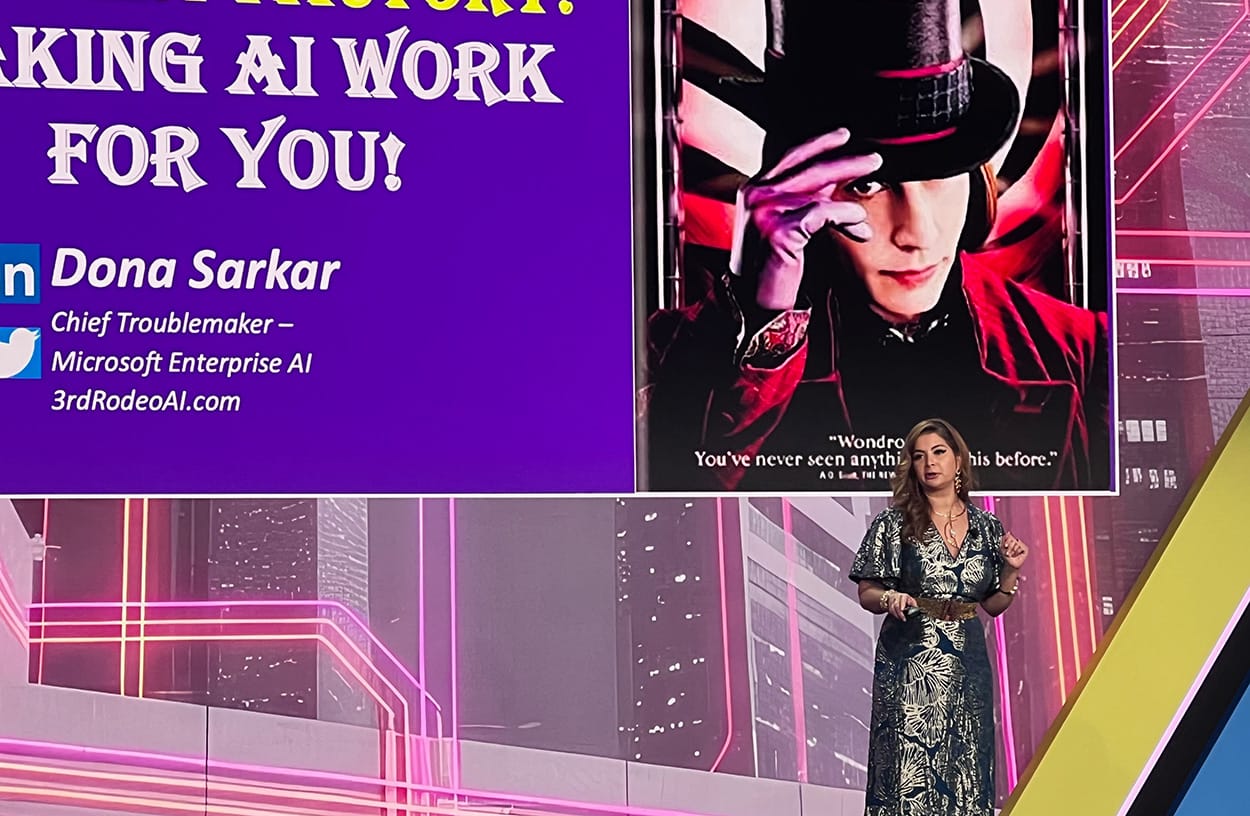
Dona Sarkar of Microsoft’s AI, Copilot and Agents Extensibility Program emphasised that AI adoption is advancing gradually across industries. Rather than replacing entire professions, she said the technology is most effective when applied to specific tasks within existing roles.
Examples include coding assistants that help developers complete repetitive programming work or AI tools that support marketing teams in social media planning and trend analysis.
Successful AI adoption depends on high-quality data, clearly defined use cases and carefully structured experimentation. Companies should track pilot programmes and measure outcomes to determine which applications deliver meaningful productivity gains.
Sarkar cautioned against deploying AI for highly regulated tasks such as legal, financial or compliance work without strong oversight.
Leadership Lessons to Close the Conference
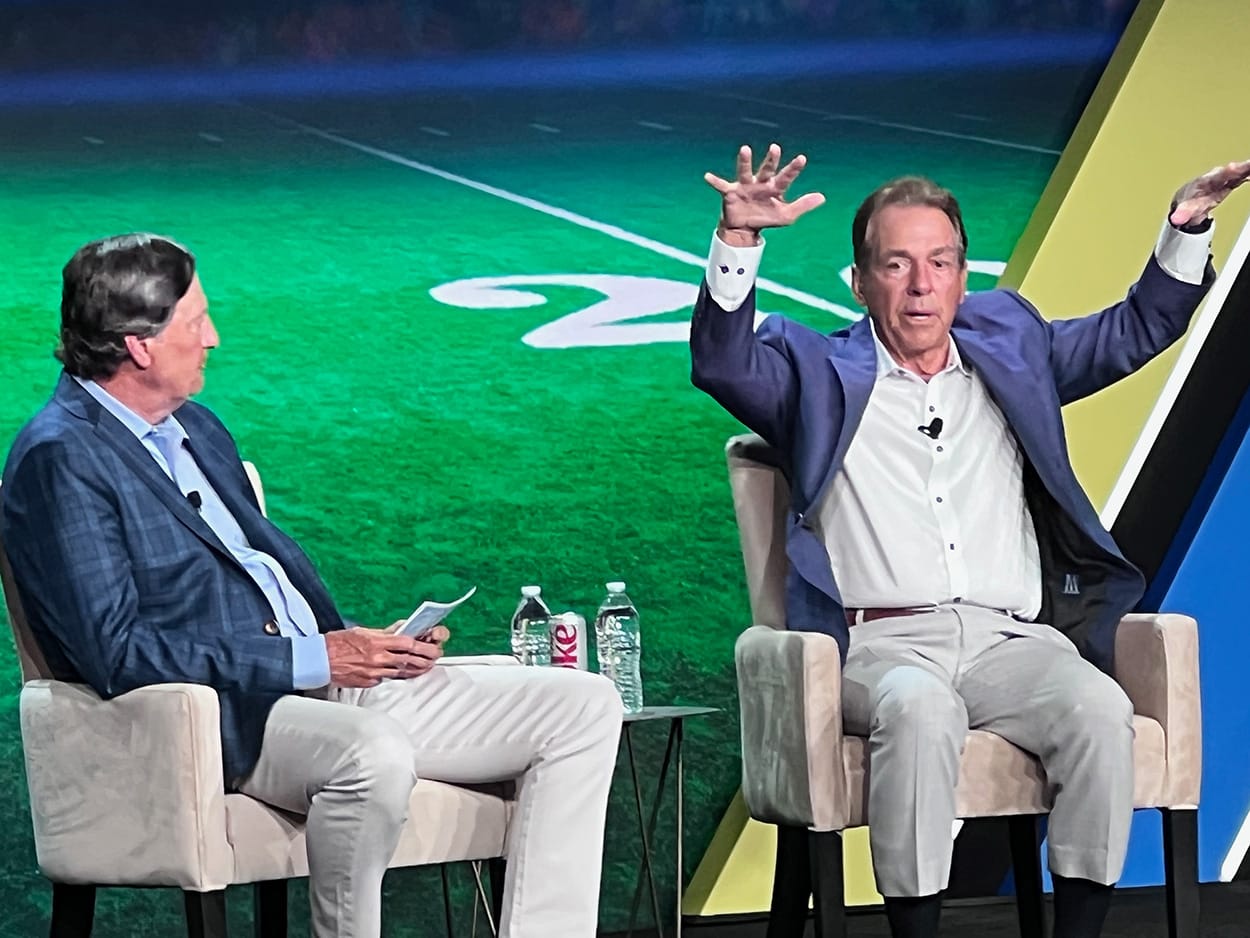
The conference concluded with a leadership-focused conversation between legendary football coach Nick Saban and NCA President and CEO John Downs.
Drawing from his decades of coaching experience, Saban emphasised that high-performing organisations are built on strong culture, discipline and accountability.
Central to his philosophy is what he calls “the process” – a focus on daily habits, self-assessment and consistent execution rather than short-term results.
Saban also urged leaders to clearly communicate organisational principles from the moment employees join a company, ensuring every team member understands both expectations and purpose.
For organisations aiming to build what he described as a “championship culture,” Saban highlighted three essential elements: teamwork, accountability and a positive mindset.
The discussion offered a fitting conclusion to the conference, linking lessons from elite sports leadership to the evolving challenges facing the confectionery industry.
As the sessions throughout the event made clear, the category’s continued success will depend on balancing innovation, digital engagement, regulatory awareness and strong retail partnerships – while maintaining the simple moments of enjoyment that keep consumers coming back to candy.
cocoaradar.com is:
- Official Media Partner - CAA International Cocoa Conference
- 'From Our Desk. To Yours. Daily'
- Sign-up here for free and choose your plan.