
In its 2024 Cocoa Compass Impact Report, ofi confirms a 12% reduction in greenhouse gas (GHG) natural capital costs per ton of cocoa compared with its 2018 baseline, surpassing its 2024 climate target.
But this year’s report also makes something else clear: sustainability in cocoa is no longer only about emissions or yields. It is about women farmers gaining power, children being protected from labour risks, and regenerative agriculture reshaping how cocoa is grown across Africa, Latin America, and Asia.
Advertisement

ofi’s Global Head of Cocoa Sustainability, Andrew Brooks, captured the urgency: “As we continue towards 2030, our focus will be on maintaining progress and enabling more sustainable outcomes for cocoa production against the unpredictability of fluctuating markets and climate changes.”
Climate Pressure Mounts — But Regenerative Agriculture Offers a Path Forward
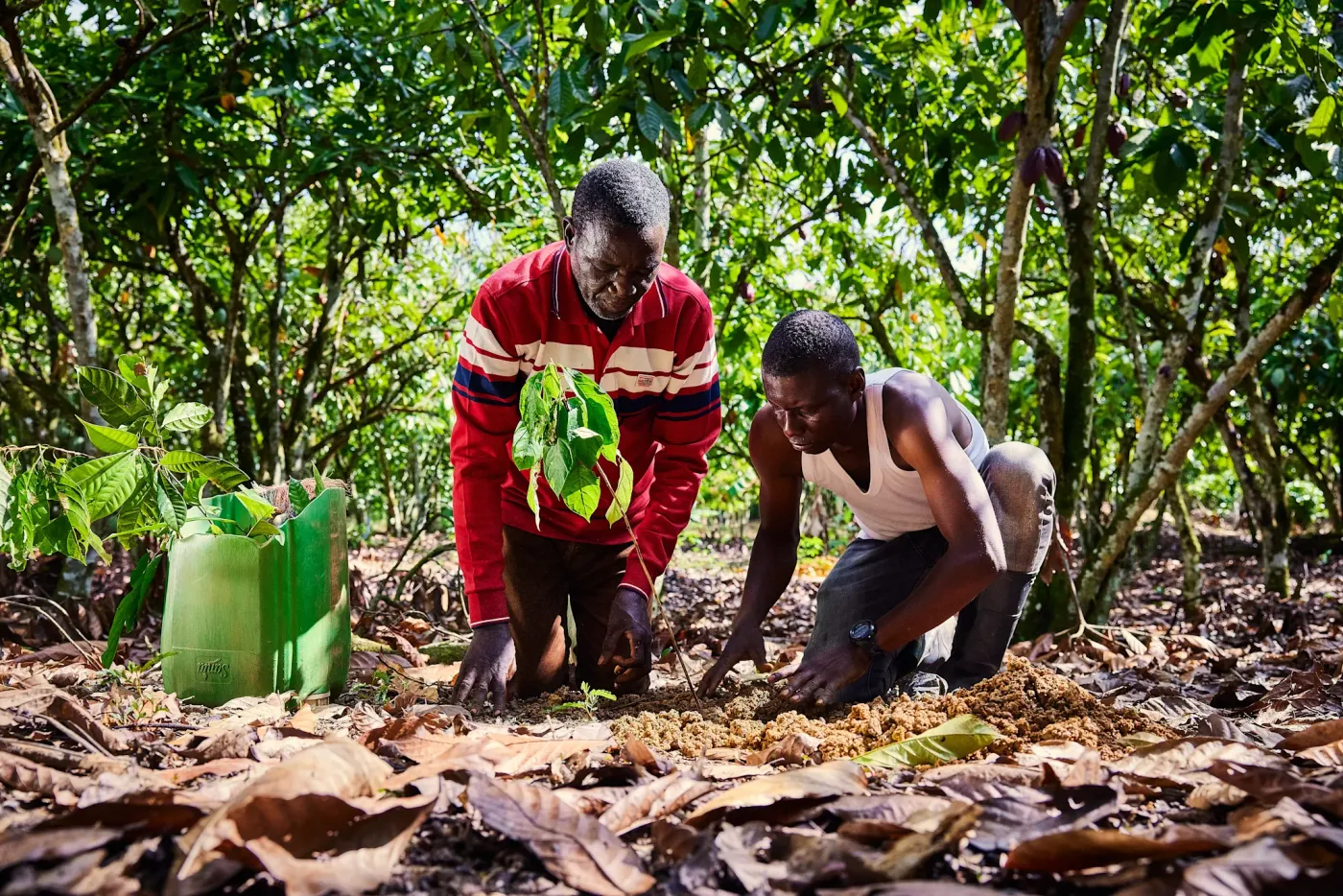
The 12% GHG reduction reflects two major shifts: a cut in land-use emissions and carbon gains from agroforestry — specifically, nearly 9.8 million trees distributed to farmers since 2018, the report highlights. Regenerative agriculture is now the backbone of ofi’s climate strategy, emphasising practices such as crop residue management, biochar use, pruning, soil restoration, and mixed-species planting.
ofi and partners — including Nestlé and GIZ — aim to eventually bring 1.4 million hectares of cocoa farmland under regenerative management. Their five-year collaboration with Nestlé alone is expected to trim 1.5 million tons of CO₂ over 30 years while supporting 25,000 farmers in Nigeria, Côte d’Ivoire, and Brazil.
But climate stabilisation does not mean production stability. West Africa — source of two-thirds of the world’s cocoa — continues to face prolonged droughts, swollen-shoot disease, and the largest recorded annual supply deficit.
Brooks emphasised the need for industry-wide action:
“We need collective solutions that are good for cocoa farmers, good for manufacturers, and good for consumers,” said Brooks.
A Milestone in Farmer Livelihoods — But Inequality Remains Stark
In one of the report’s biggest achievements, 155,000 cocoa farmers — 45% of those in ofi programmes—now earn a living income, surpassing the company’s 2030 target six years ahead of schedule.
This improvement, however, is heavily tied to the recent surge in global cocoa prices. If prices fall — as they historically do — farmer incomes will drop accordingly. For this reason, ofi views living income data less as a triumph and more as a diagnostic tool for targeting support.
That support includes:
- 320,000 farmers receiving livelihood aid
- 257,000 trained in Good Agricultural Practices
- tailored resilience programs that help smallholders withstand climate and market volatility
Yet regional disparities remain sharp. In 2024:
- Brazil and Cameroon: 95% of farmers reached living income
- Ecuador: 81%
- Indonesia: 70%
- Ghana, Côte d’Ivoire, Nigeria, PNG, Uganda: majority still below living income thresholds
The gulf reflects differing production costs, farm sizes, and climate conditions — and underscores why sustained structural support remains critical.
Women Rising: Gender Equality Becomes a Core Supply Chain Strategy
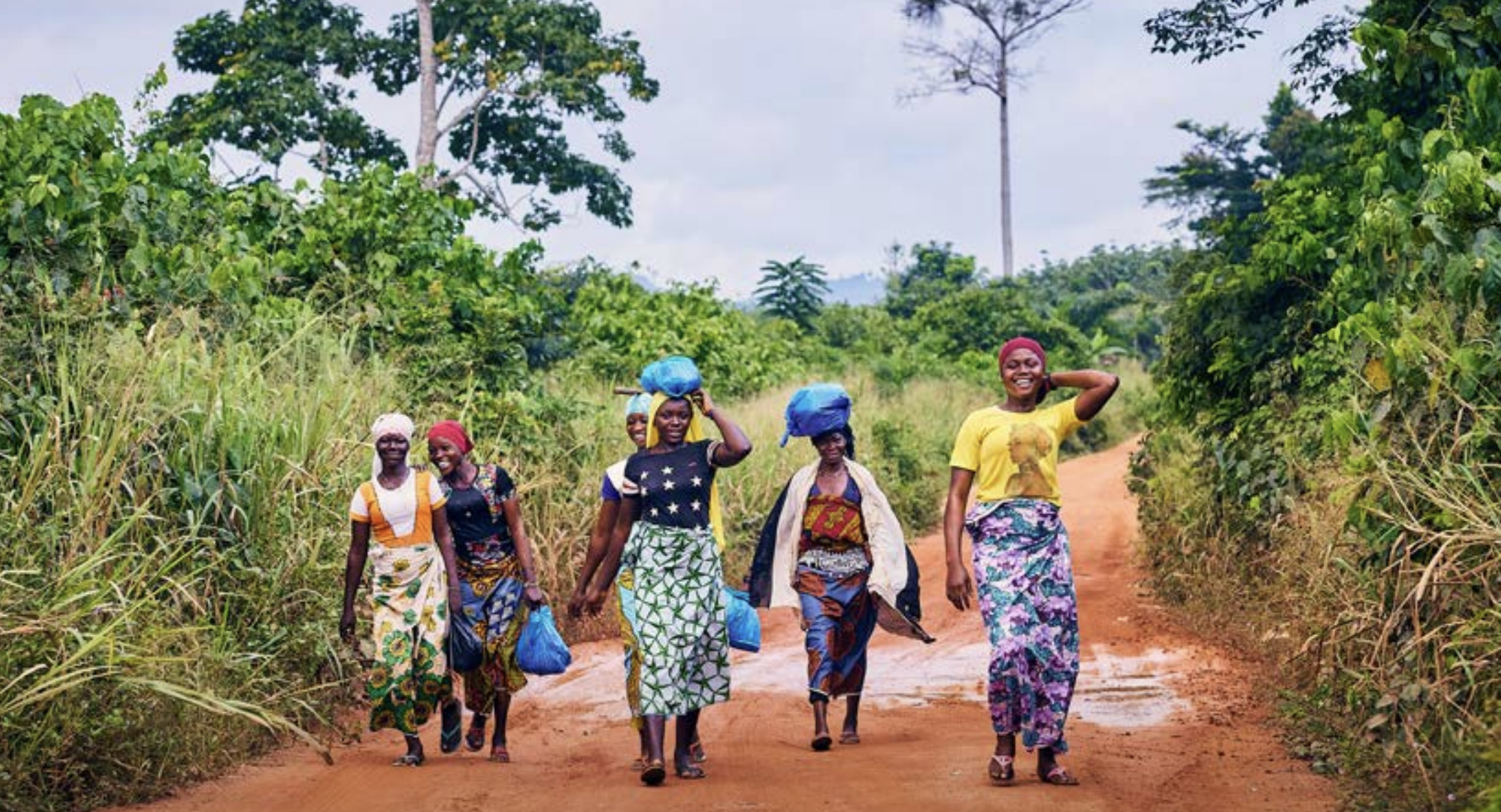
A standout section of the report spotlights women as essential drivers of cocoa resilience. Across cocoa origins, women are increasingly visible as farmers, entrepreneurs, trainers, and leaders — challenging decades of structural exclusion.
Key gender-impact highlights:
- 50,000 women farmers trained in good agricultural practices
- 23,000 women in Village Savings and Loans Associations gaining access to business capital
- 120,000 community members reached through gender-sensitization programmes
- Over 70% of recipients (in the RESTORE partnership, in Côte d’Ivoire and Ghana) of landscape-governance support are women
One programme — the Brazilian CACAU DELAS initiative—is particularly transformative. In partnership with Mondelēz International’s Cocoa Life sustainability initiative, it aims to train 200 women by 2025 in nursery management, grafting, pruning, entrepreneurship, and leadership, complete with childcare, transport, and meals to make participation possible.
ofi also became the first company to join the FAO’s ‘Commit to Grow Equality’ initiative, signalling a shift toward gender equity as a strategic—not peripheral—priority.
Child Labour: Rising Detection, Expanding Support Systems
Child labour remains one of the most critical and scrutinised issues in cocoa. In 2024, ofi reported:
- 13,700 cases of child labour identified in its direct supply chain (up 27% due to expanded monitoring)
- 60% of affected children now in remediation
- 40,000 children receiving education support — school kits, tuition help, and vocational training
The rise in identified cases is attributed to broader deployment of ofi’s Child Labor Monitoring and Remediation System (CLMRS), now covering 252,000 households.
ofi insists detection is progress, not failure. More visibility means more opportunities to intervene — and more families receiving support designed to end reliance on child labour, including income diversification, women’s economic empowerment, and regenerative agriculture training that boosts long-term farm productivity.
Protecting the Landscape: Toward Forest-Positive Cocoa
The push toward forest protection is intensifying, especially with the EU Deforestation Regulation (EUDR) looming. The report has been published before the proposed recent delay to the end of 2026, but to comply — and to secure long-term land health — ofi said it is accelerating:
- satellite deforestation monitoring
- community-led forest governance
- risk-assessment mapping
- training for farmers to increase yields without clearing new land
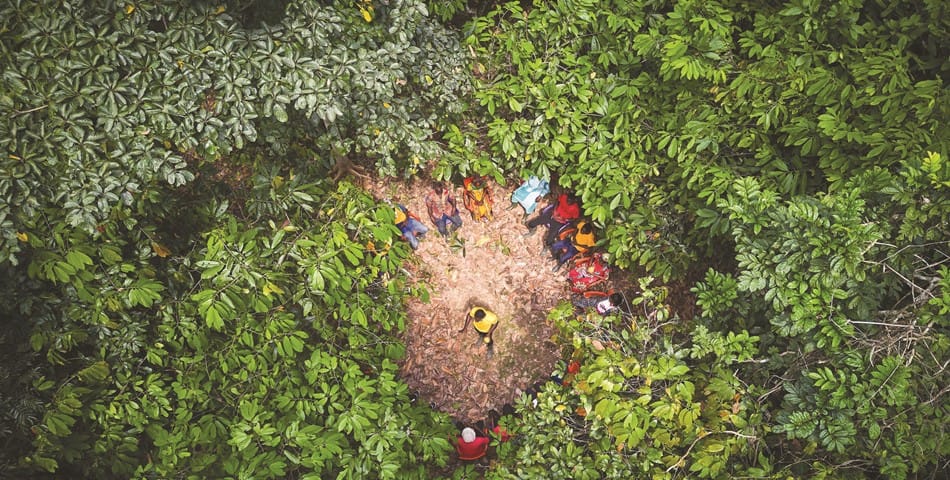
Six landscape partnerships are active across major cocoa regions, advancing the goal of becoming forest-positive by 2030.
CocoaRadar’s Takeaway
The ofi 2024 sustainability report lands at the midpoint between ofi’s 2018 baseline commitments and its 2030 targets — a moment of reflection amid unprecedented strain on the cocoa sector.
The highlights are promising: steep emission reductions, rapid progress in women’s empowerment, improved farmer incomes, and expanded child protection systems.
Yet the threats — deforestation, volatile markets, climate extremes, illegal mining, crop disease — continue to escalate.
As cocoa faces its most challenging decade yet, ofi’s data shows both the fragility of the system and the growing momentum to protect it through climate action, inclusion, and regenerative transformation.
If cocoa is to survive — and thrive — the path forward must elevate farmers, protect children, empower women, and rebuild ecosystems, all at once, and ofi just might have created a new blueprint to achieve those goals.
- Read the full ofi 2025 Compass Report here
cocoaradar.com is:
- Official Media Partner - Amsterdam Sustainable Cocoa Conference, Chocoa, 2026.
- 'From Our Desk. To Yours. Daily'
- Sign-up here for free and choose your plan.