
Yes, an unexpected ally might be hiding in our stocking this year: chocolate. Not just as a comfort treat, but potentially as a small boost to wellbeing backed by emerging science.
Theobromine: Chocolate’s ‘Age-Defying’ Secret?
A new study led by researchers at King’s College London has found that a natural compound in dark chocolate known as theobromine — the bitter alkaloid that gives cocoa its characteristic taste — may be linked to slower biological ageing. In blood tests from over 1,600 participants, higher levels of theobromine were associated with biological markers that appear 'younger' than chronological age.
Advertisement

Biological age is measured by changes in DNA methylation patterns and other molecular indicators — essentially, how well the body is functioning, not just how long it has existed. While the researchers stress this doesn’t prove eating chocolate causes slower ageing, it highlights how compounds in everyday foods might help unravel pathways to healthier lifespans.
The findings dovetail with growing interest in the role plant compounds — including flavonoids and polyphenols found in cocoa — play in inflammation, vascular health, and cellular function. Scientists emphasise that chocolate’s sugar and fat content means moderation is key, even if theobromine shows promise in the lab.
A Festive Stress Fighter
Dark chocolate isn’t just about ageing research; health experts routinely point to cocoa’s potential in stress reduction, especially during the holiday season. Studies have shown that eating small amounts of dark chocolate can lower levels of cortisol, the body’s primary stress hormone, helping people feel calmer and more centred amid festive chaos.
Research also suggests that cocoa’s antioxidants may improve blood vessel function, relaxing circulation and possibly easing physical stress responses. A small bite of high-cocoa dark chocolate — ideally 70% cocoa or higher — may deliver these stress-busting benefits while offering a gentle energy lift thanks to natural caffeine and flavonoids.
More Than Just a Mood Boost
It’s not just stress: cocoa compounds have been linked with:
- Improved circulation and antioxidant protection, which can help maintain healthy blood pressure and vascular flexibility.
- Better endurance and energy levels, potentially useful during long holiday shopping days or winter walks.
- Mood regulation, as cocoa can influence serotonin and other brain chemistry to support emotional wellbeing.
This constellation of effects — energy support, mood lift, stress moderation — may explain why chocolate feels especially satisfying in winter, when daylight shrinks and social demands grow.
But Not All Chocolate Is Created Equal
Experts emphasise that dark chocolate with a high cocoa content tends to offer more of these potential benefits than milk or white chocolate. That’s because higher cocoa concentration means more beneficial compounds like theobromine and flavonoids, and usually less added sugar.
Too much sugar and saturated fat, on the other hand, can undercut any nutritional upside, and highly processed chocolate may lack the concentrations of plant nutrients linked to health effects. All in all, sensible portion sizes and mindful choices matter as much as the sweet treat itself.
A Seasonal Sweet Spot
So should you eat more chocolate at Christmas? While scientists aren’t saying chocolate is a magic health bullet, the growing evidence suggests:
- A small amount of dark chocolate can be a delicious way to ease stress and support mood during a busy season.
- Components like theobromine may be connected with healthier biological ageing patterns, offering scientists clues to how diet influences longevity.
- Choosing quality over quantity — high-cocoa, lower-sugar options — helps balance enjoyment with wellbeing.
Chocolate, But Make It Clever (and Christmassy)
How to eat chocolate this Christmas without feeling guilty
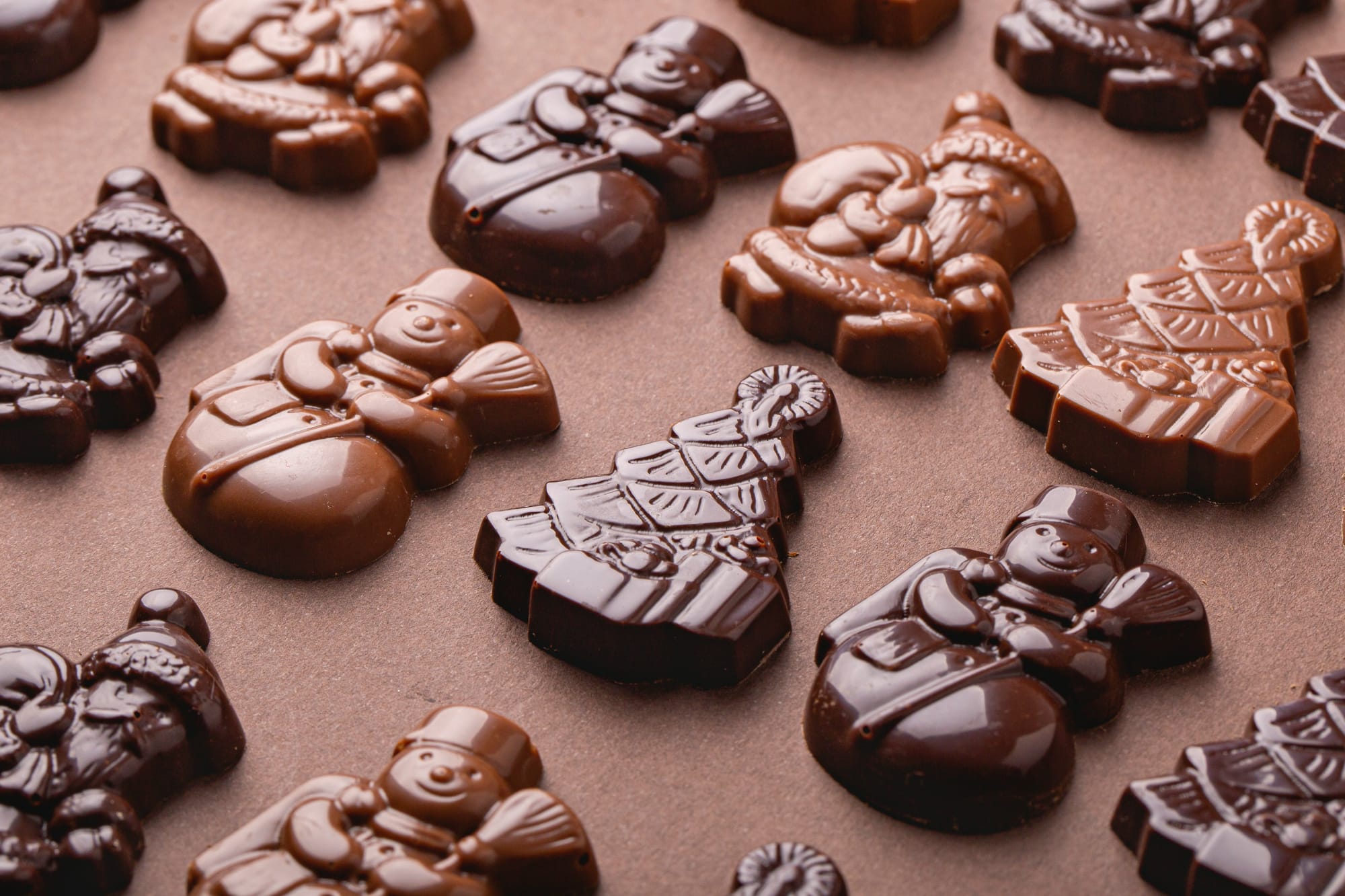
Good news: the festive season doesn’t mean chocolate is off-limits — in fact, it might deserve a starring role. The trick is knowing how to indulge.
“Dark chocolate can be good for you… but don’t eat it with too much sugar.” says Master Chocolatier Jacques Torres on mindful chocolate enjoyment.
- Go dark or go home
Reach for 70–85% dark chocolate. It’s richer, less sugary, and packed with cocoa compounds that scientists actually get excited about. Milk and white chocolate? Delicious, yes — but mostly here for fun, not function. - Two squares, not the whole bar
Experts suggest about 20–30 grams a day — roughly two squares. Enough to feel indulgent, not enough to spark a post-Christmas regret spiral. - Timing is everything
Dark chocolate contains gentle stimulants, so it’s best enjoyed as a mid-afternoon mood-lift, not a midnight nibble that keeps you wide awake wondering about life. - Pair it like a pro
Chocolate loves company. Nuts, berries or a meal beforehand can help keep energy levels steady and cravings in check. - Festive reality check
Chocolate isn’t a superfood miracle — and scoffing a whole selection box won’t slow ageing overnight. Ultra-sugary treats cancel out the good stuff pretty fast. - The sweet spot:
A little high-quality dark chocolate can be a joyful, stress-soothing Christmas ritual — one that feels indulgent and slightly virtuous. - Comment:
That’s a holiday win, in our book.
cocoaradar.com is:
- Official Media Partner - Amsterdam Sustainable Cocoa Conference, Chocoa, 2026.
- 'From Our Desk. To Yours. Daily'
- Sign-up here for free and choose your plan.