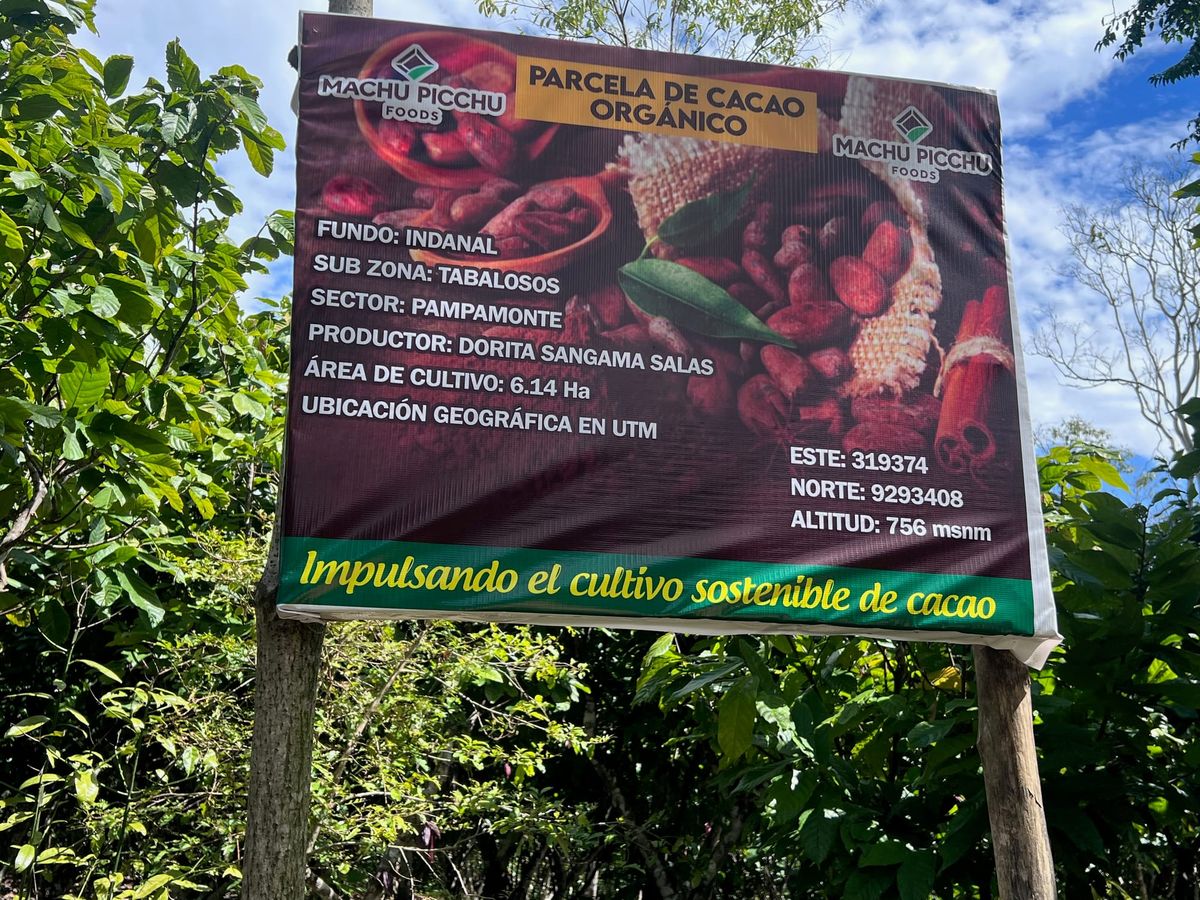


On the screen, a cocoa supply chain becomes a collection of boundaries, locations and records. A farm can link to its certification status, a nearby collection warehouse, or an agricultural support programme. For a buyer trying to understand where its beans come from, the appeal is clear.
During CocoaRadar’s recent visit to Machu Picchu Foods in Peru, the company’s Cocoa Map platform offered a window into its sourcing operations.
But the demonstration also raised questions that no dashboard can answer on its own. What does certification leave in a farmer’s pocket? Which investments make growing cocoa more viable? And can a business buy and process more beans while bringing its environmental impact under control?
Advertisement

Those questions run through MPF’s account of its work, from cooperative spending on fermentation boxes to irrigation and agroforestry projects. They also sharpen its 2025 sustainability disclosures: alongside individual improvements, the company reported substantial increases in emissions and water consumption.
What Reaches The Farmer?
The economics of certification came up often in our discussions. Obtaining and maintaining it takes work, Carmen Alarcon, MPF’s marketing coordinator, acknowledged. The commercial question is whether the additional payments and support justify that effort for growers.
MPF said it reviews purchase prices weekly against local market conditions. Conventional cocoa broadly follows the prevailing farmgate market; certified beans attract additional payments according to the scheme involved.
For purchases through Fairtrade-certified cooperatives, the company described a pricing structure linked to the New York market, with the Fairtrade Minimum Price providing a floor, alongside the Fairtrade Premium and an organic differential where applicable.
Understanding where that money goes requires distinguishing between the price paid for cocoa and funds a cooperative manages collectively.
According to MPF, members decide how to spend their Fairtrade Premium through their General Assembly, within the cooperative’s development plan. The company may offer suggestions when consulted, but members make the final decision.
 Anthony Myers