
From our desk to yours. Daily
Join our growing community of members and receive a free version of our daily newsletter on what really matters in cocoa.
No spam. Unsubscribe anytime.
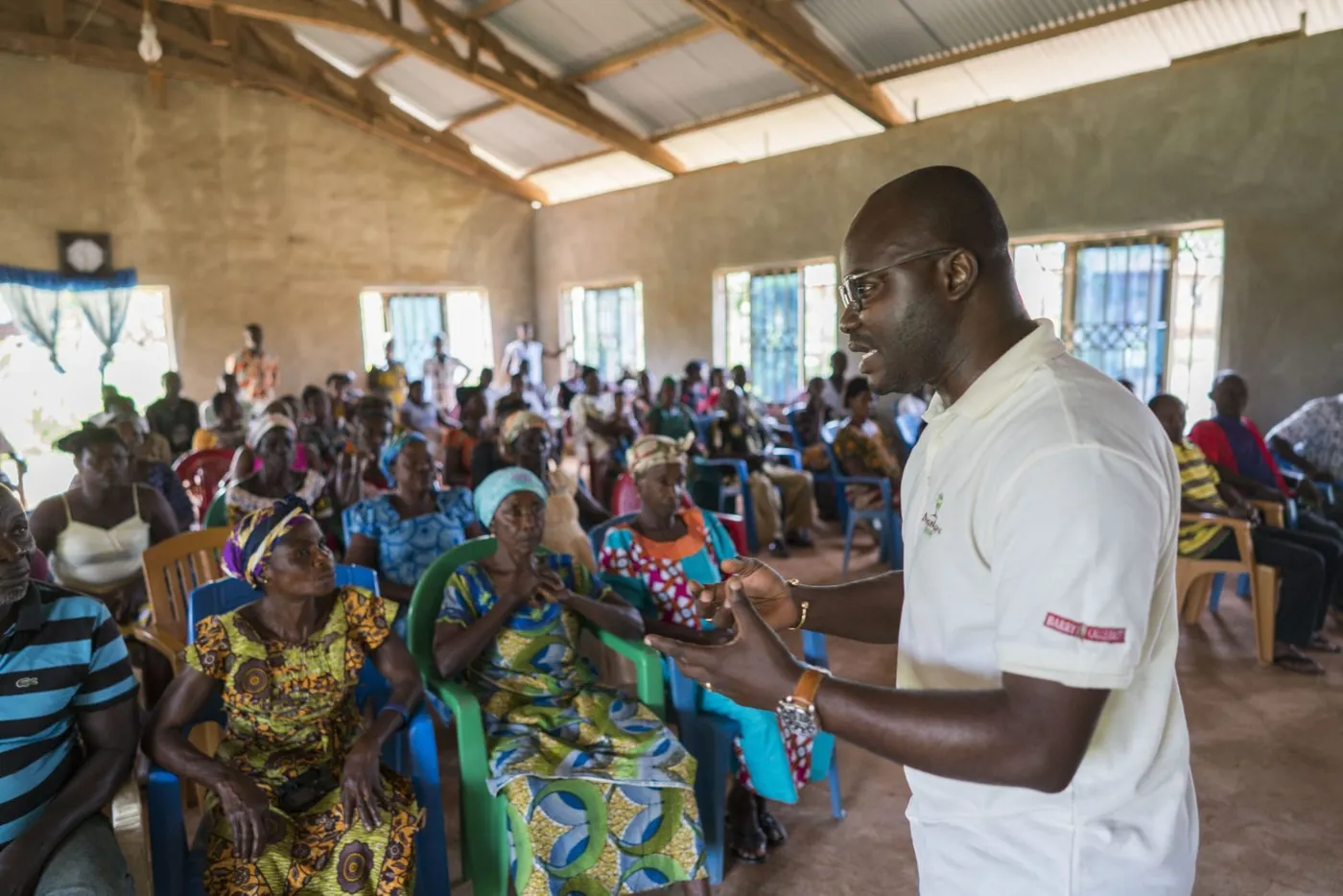
The collaboration, which began in 2024 following a competitive selection process, is already live across key origin markets. Since October 2025, Farmforce’s digital systems have been deployed in 50 cooperatives in Côte d’Ivoire, while a parallel rollout in Indonesia now covers all 10 targeted warehouses. The goal: build a fully traceable, data-driven supply chain from farm to first point of aggregation.
Advertisement

Rather than positioning the partnership as a breakthrough, the companies are framing it as an operational upgrade – one that leans heavily on digital infrastructure to improve oversight, efficiency, and compliance in complex sourcing environments.
“We’re focused on delivering measurable transparency at scale,” said Hans Christian Fleischer, Chief Commercial Officer at Farmforce. “That means better data, clearer accountability, and tools that actually work in the field.”
Moving Beyond Traceability as a Buzzword
At the centre of the rollout are two platforms: Farmforce Orbit and Farmforce Origin.
Orbit is designed for field-level execution. It equips teams with case management tools – used, for example, to flag and respond to risks such as child labour – alongside performance tracking, survey deployment, and geospatial mapping of farms. The emphasis is on standardising workflows across cooperatives while enabling faster, more targeted interventions.
Origin, meanwhile, handles the logistics layer. It tracks cocoa at the bag level, linking physical flows with digital records to support traceability claims. Features include automated quota controls, quality tracking, certification management, and integration with enterprise systems like SAP.
Together, the systems aim to close longstanding visibility gaps between smallholder production and global supply chains – a persistent challenge in the cocoa sector.
 Anthony Myers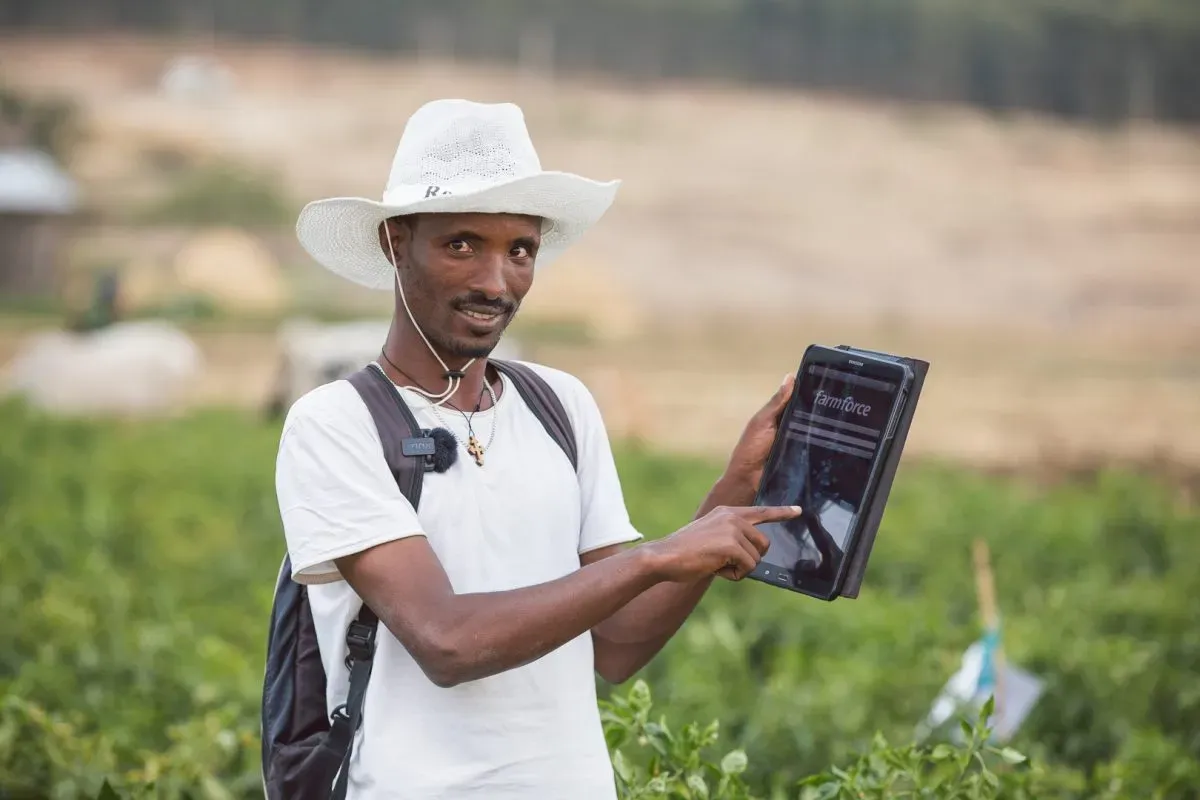
Scaling Across Origins
The next phase of the partnership will test its scalability. Expansion is scheduled to continue through 2026, with additional cooperatives coming online in Côte d’Ivoire and a first deployment planned in Nigeria. Ghana is expected to follow in 2027.
At full rollout, the programme is projected to reach around 600 cooperatives worldwide, positioning it among the largest first-mile traceability initiatives currently underway in cocoa.
A Sector Under Pressure
The timing is notable. Cocoa supply chains are facing mounting pressure from incoming regulations – particularly in Europe – requiring stricter due diligence on deforestation, labour practices, and transparency in sourcing.
Against that backdrop, partnerships like this are less about innovation for its own sake and more about readiness: building systems capable of producing verifiable data at scale.
Whether these tools translate into meaningful impact on the ground remains the key question. But for now, the direction of travel is clear—digitisation is becoming a baseline requirement, not a differentiator.
cocoaradar.com is:
- Official Media Partner - CAA International Cocoa Conference
- 'From Our Desk. To Yours. Daily'
- Sign-up here for free and choose your plan.