From our desk to yours. Daily.
Join our growing community of members and receive a free version of our daily newsletter on what really matters in cocoa.
No spam. Unsubscribe anytime.
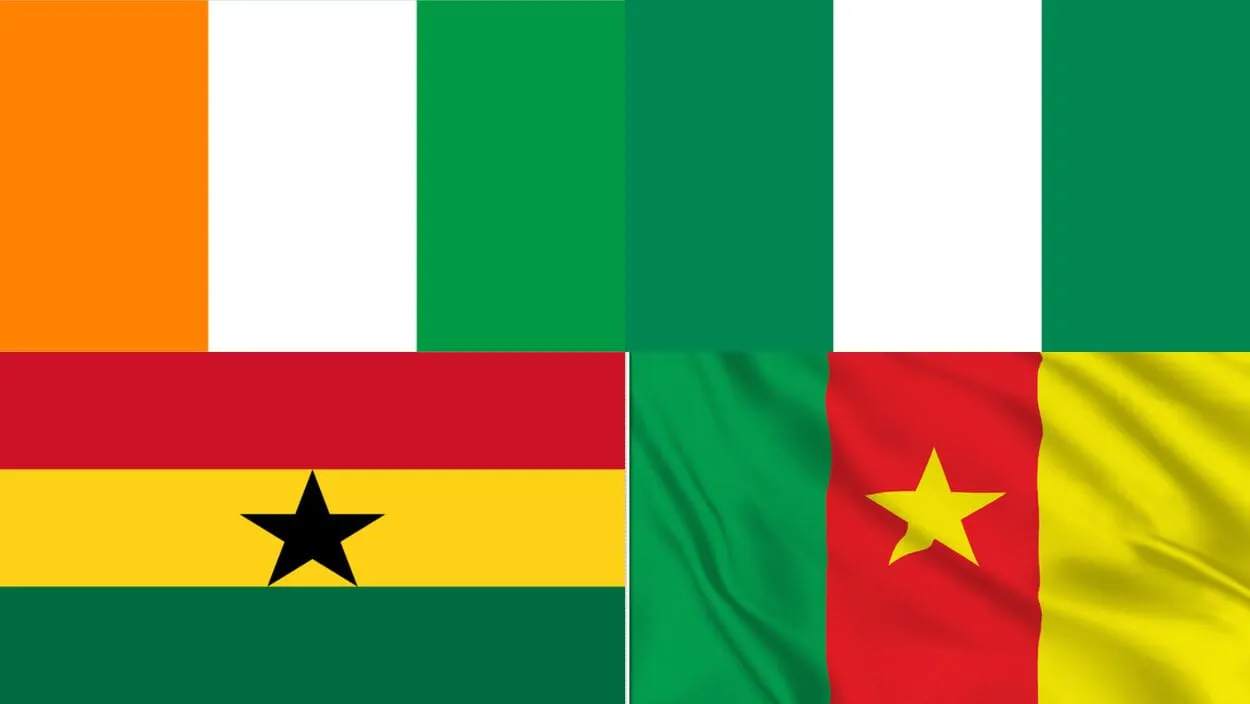
Ghana, Côte d'Ivoire, Nigeria and Cameroon are moving toward what could become the most significant political realignment in the cocoa sector in generations. If successful, their proposed Cocoa Value Addition Alliance could shift the industry's centre of gravity away from simply exporting raw beans and toward processing, manufacturing and ultimately greater influence over the $100 billion-plus global chocolate value chain.
The development has already prompted comparisons with OPEC. Those comparisons may be premature – but they also highlight why the alliance matters.
More Than A Price Story
The immediate headlines have focused on whether Africa's biggest cocoa producers are creating an ‘OPEC for cocoa’.
That description overstates what has been publicly confirmed so far.
Advertisement

Verified announcements show Ghana and Côte d'Ivoire have agreed to expand their existing bilateral cocoa cooperation, while Nigeria hosted a Cocoa Value Addition Summit in Abuja bringing together the four producing countries. Multiple reports indicate delegates signed an Abuja Declaration establishing a Cocoa Value Addition Alliance, although the full declaration had not been officially published at the time of writing.