
Buyers who once relied on third-party certifications now need documented due diligence and farm-level traceability they can stand behind when regulators come asking.
For West African exporters, this moment has arrived faster than anticipated. Some are scrambling. Others are waiting. Sunbeth Global Concepts, one of Nigeria's foremost cocoa exporters, made a different choice: to lead. Earlier this year, the company formalised that choice into Orange Cocoa, a structured sustainability framework designed not just to meet the demands of today's market, but to build the kind of supply chain that performs in tomorrow's.
A Framework Built for the Long Term
Orange Cocoa is built around three interlinked pillars: Better Cocoa, Better Life, and Better Planet. Each carries specific, measurable commitments; not aspirational language, but targets attached to timelines and accountability.
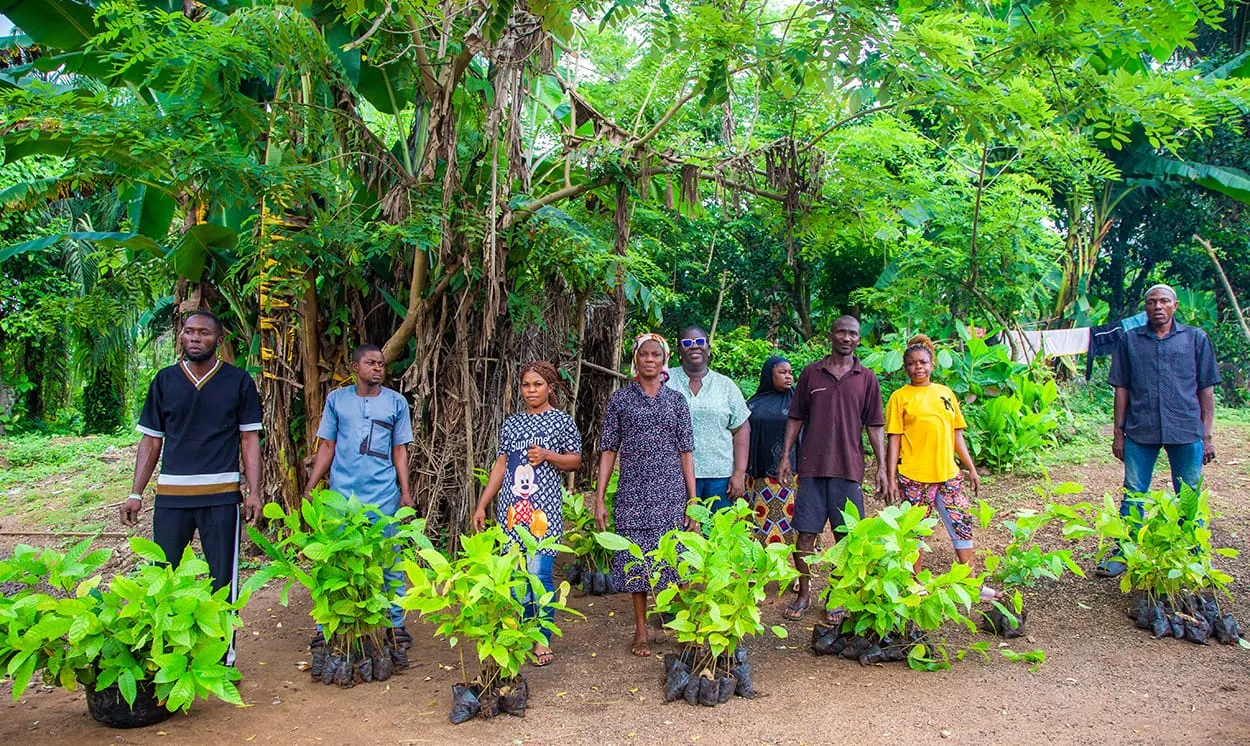
Better Cocoa focuses on the productivity and quality of Sunbeth's smallholder supply chain, including a commitment to train 100,000 farmers and distribute 1 million improved hybrid seedlings by 2040.
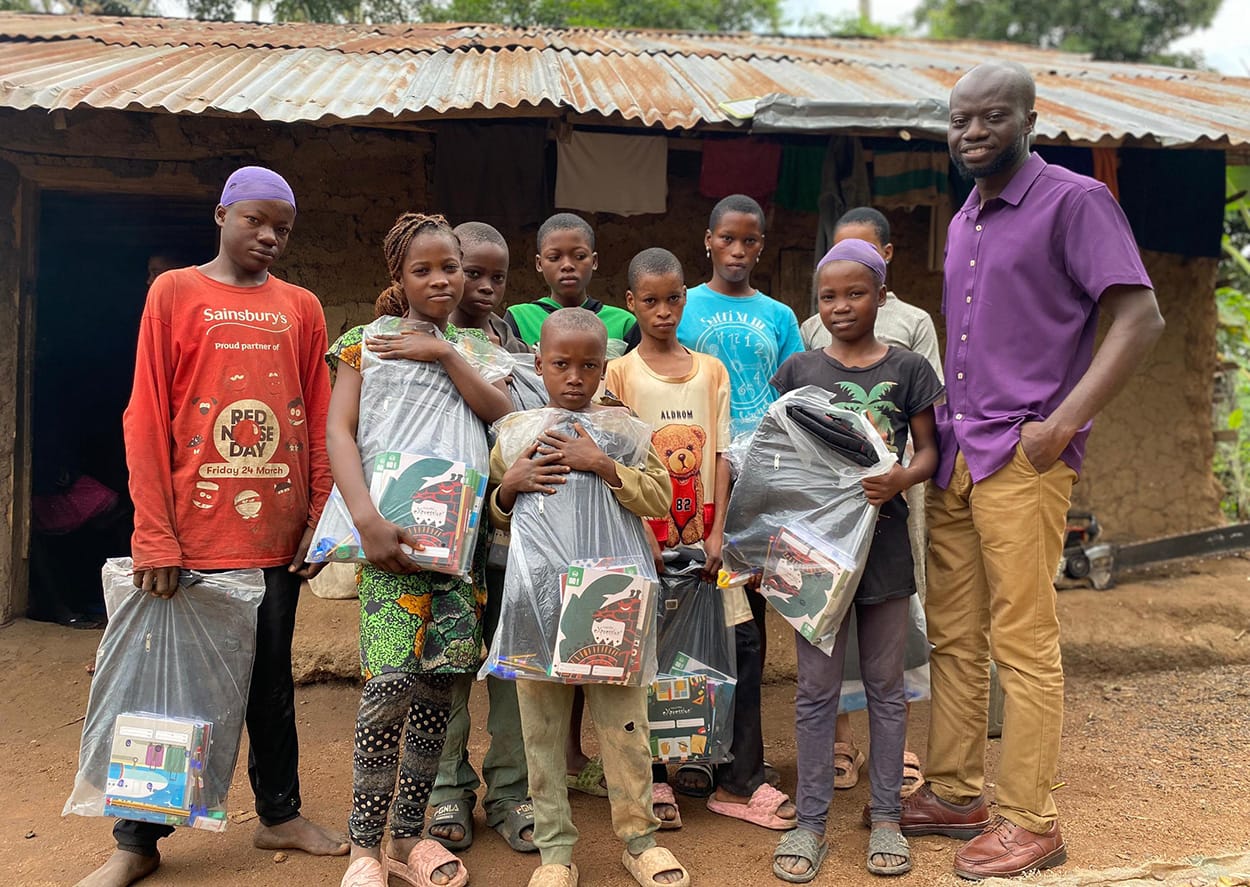
Better Life addresses the economic and social conditions of the farming communities the company sources from: 350 Village Savings and Loan Associations, a Child Labour Monitoring and Remediation System, and community-led development projects across 300 cocoa communities.
Better Planet sets environmental targets anchored in deforestation-free sourcing, with 100% of volumes traceable to verified land by 2050 and 300,000 shade trees planted on farms by 2040.
These three pillars are, by design, interdependent. A trained and supported farmer produces better cocoa. A farm managed regeneratively is more productive over time. A supply chain with strong social foundations is more resilient to shocks. Orange Cocoa gives each of those connections a structure, a set of indicators, and a clear owner.
The Architect Behind It
Oyinkansola, Sunbeth's Sustainability Director and the architect of Orange Cocoa, describes the timing as deliberate.
"What Orange Cocoa does is take the values we have always operated by and give them structure, measurable targets, and a clear accountability framework so that progress can actually be tracked and reported. The timing is not accidental; EUDR, climate variability, ageing farms, and inconsistent farmer income. All of those forces are converging at once. Orange Cocoa is our structured response."
Of the three pillars, Oyinkansola is most personally grounded in Better Life; and she is direct about why.
"You can invest in the finest planting materials and build a technically sound traceability system, but if the farmer on the other end of that system cannot afford to keep his children in school, we have to be honest about what we are actually sustaining. Better Life is where the human reality of this work is most visible. It is also where the connection between social impact and supply chain security becomes clearest. Farmers who are economically stable and investing in their land are the ones who produce consistently and stay in the industry long term."
In practical terms, for a smallholder farmer, Orange Cocoa is tangible from day one: access to improved seedlings, agronomic training, financial tools through Village Savings and Loan Associations, and a child labour monitoring system that identifies vulnerability early.
As Oyinkansola puts it, the farmer who engages with Sunbeth under Orange Cocoa is entering a relationship invested in how their farm performs, how their family lives, and how their community develops over time.
For offtakers and procurement professionals reading this, Orange Cocoa translates into something concrete: a supply chain partner that has invested in the infrastructure to give you what you need before you have to ask. Traceability to farm level. Verified deforestation-free sourcing. EUDR-compliant supply that reduces the regulatory exposure you are managing in your own markets.
Oyinkansola is clear-eyed about the stakes on both sides of that relationship.
"A supply chain that has not invested in farmer welfare or traceability is quietly accumulating risk. Farms not managed with climate adaptation in mind will become less productive. Supply chains without verified traceability will face growing barriers to premium markets. When you source from Sunbeth, you are not inheriting a compliance problem. You are inheriting a documented, traceable supply chain designed to hold up to scrutiny; in markets where the standards will only continue to rise."
A Signal From the Source
Nigeria is the world's fourth-largest cocoa producer, yet origin-based exporters have historically occupied a narrow lane: produce, export, and leave the value creation and standards-setting to companies further up the chain. Orange Cocoa is a quiet but deliberate challenge to that arrangement.
On what sets this apart from the wave of sustainability commitments the industry has seen from multinationals, Oyinkansola does not shy away from the comparison.
"The industry has a credibility problem when it comes to sustainability commitments, and farmers have grown understandably sceptical. What makes Orange Cocoa different is proximity and specificity. We are not designing this from a headquarters in London, working through intermediaries. We source directly from communities we operate in, with farmers we have real relationships with. And our targets are not aspirational statements; they are commitments that can be tracked and monitored by our partners, buyers, and the communities themselves. When an African exporter builds this kind of framework from within the origin, it carries a different kind of legitimacy."
Looking Ahead
Five years from now, the measure of success for Orange Cocoa will not be a single headline metric. Asked what signal she would look for, Oyinkansola is precise.
"If I can visit sourcing communities and find farmers earning more, farming on healthier land, and actively encouraging younger family members to stay in agriculture, that tells me we have moved beyond programme delivery into real behavioural and economic change. And if our buyers are renewing contracts specifically because of what Sunbeth represents in terms of traceability and supply reliability, it means sustainability has become a genuine market differentiator, not a compliance exercise."
That ambition, grounded in specifics and accountable to evidence, is what separates Orange Cocoa from a corporate communication exercise. Sunbeth is building something designed to last – and inviting buyers, partners, and financiers to be part of it.
- Read the full Orange Cocoa commitment statement at www.sunbeth.net
- Sponsored content: This article was created in collaboration with Sunbeth Global Concepts. While it aligns with our audience’s interests, the ideas and content are provided by Sunbeth Global Concepts, which retains copyright and editorial responsibility. We’re sharing it to offer our readers relevant information and perspectives.