Ghana’s cocoa industry – once considered one of the most organized agricultural commodity systems in the world — is now facing one of the deepest crises in its modern history. At the centre of the turmoil is the state-owned Producer Buying Company (PBC), whose mounting debt burden, operational paralysis, and inability to pay farmers have become symbolic of broader governance and structural failures across the cocoa value chain.
According to Reuters, PBC has accumulated approximately GH₵673 million (about $60 million) in debt and now faces potential asset seizures after a consortium of Ghanaian banks secured a court order authorising the sale of the company's assets.
The development is more than a corporate liquidity problem. It represents a critical stress point for Ghana’s cocoa economy, which supports hundreds of thousands of smallholder farmers and remains central to the country’s export revenues.
Farmers Left Unpaid as PBC Operations Stall
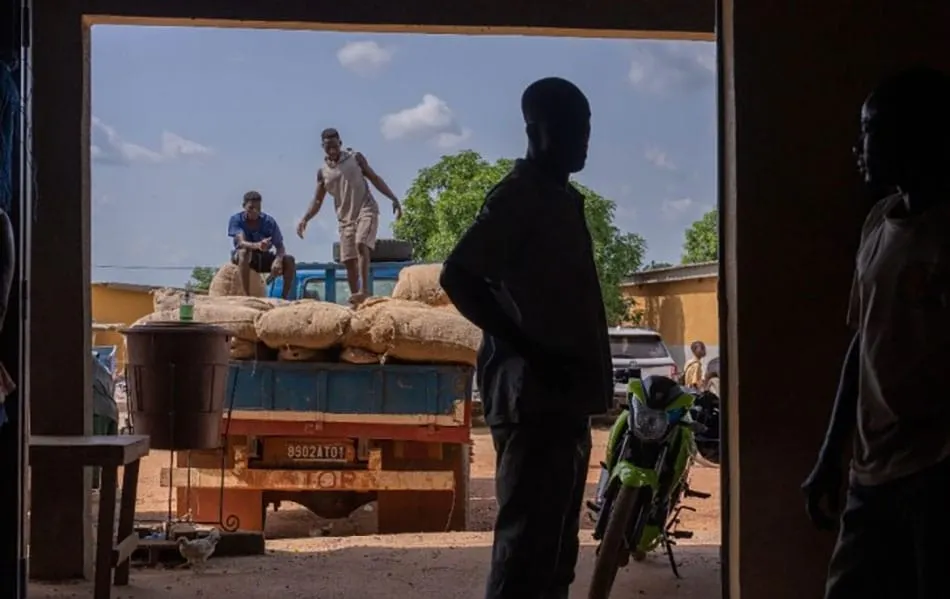
PBC is legally mandated to serve as Ghana’s ‘buyer of last resort’, ensuring cocoa farmers always have a guaranteed market for their beans. Yet the company has reportedly been unable to fulfil even its most basic obligations.
Reuters reported that thousands of farmers have gone unpaid since November 2025, with PBC owing approximately GH₵24 million for more than 9,000 bags of cocoa already delivered.
A company source cited by Reuters said the situation has become so severe that PBC currently lacks the liquidity needed to continue purchasing cocoa from farmers at all.
The crisis has created immediate livelihood consequences across cocoa-growing communities. For many farmers, delayed payments mean unpaid school fees, rising household debt, reduced farm maintenance, and increasing vulnerability to alternative income sources – including illegal mining activities that continue to threaten Ghana’s cocoa-growing regions.

The Financial Collapse Behind the Crisis
PBC’s financial distress reflects years of deteriorating market position and mounting liabilities.