From our desk to yours. Daily.
Join our growing community of members and receive a free version of our daily newsletter on what really matters in cocoa.
No spam. Unsubscribe anytime.
Organic cocoa still accounts for less than 4% of global output – but its influence is rapidly expanding. Once viewed as a niche segment, it is now reshaping how the cocoa industry approaches traceability, deforestation compliance, and value-chain transparency. At the centre of this transformation sits Latin America, quietly redefining what high-integrity sourcing looks like in practice.
A Market Growing in Value – And Redefining Itself
The global organic cocoa market is entering a more strategic phase. Valued at $11.7 billion in 2026 and projected to reach $17.4 billion by 2036, the sector is expected to grow at a steady 4.1% CAGR, driven by demand for clean-label, traceable, and ethically sourced chocolate.
Yet beneath these headline figures lies a more nuanced reality: organic cocoa remains a minority segment by volume, representing approximately 3.9% of global production. Its importance, however, far exceeds its scale. For manufacturers and retailers, organic cocoa has evolved beyond certification – it is now a compliance mechanism, a branding asset, and a live test case for future-proof supply chains.
Advertisement

Latin America: The Quiet Powerhouse
While West Africa continues to dominate global cocoa volumes, Latin America has emerged as the backbone of organic and traceable supply chains.
Countries such as Peru, Colombia and the Dominican Republic play an outsized role in certified organic flows, particularly into Europe – the world’s largest cocoa-consuming region. Recent EU import data reflects both reliance and volatility:
- Continued dependence on Latin American origins for high-integrity, segregated supply chains
- Sustained inflows of certified organic beans from the region
- A drop in EU organic cocoa imports from ~73,000 tonnes (2022) to ~56,000 tonnes (2023), underscoring market instability
This positioning is no coincidence. The region benefits from:
- Established smallholder agroforestry systems
- Strong alignment with organic and biodiversity standards
- A long-standing reputation for fine-flavour cocoa, essential for premium chocolate
As traceability and origin storytelling become market differentiators, these structural advantages are increasingly valuable.
Demand Drivers: Health, Ethics, and Regulation
Three converging forces are reshaping demand for organic cocoa:
1. Functional Chocolate and Wellness
Organic cocoa – particularly high-percentage dark chocolate – is increasingly positioned as a functional food, rich in flavanols, magnesium, and antioxidants. This is fueling growth across nutraceutical snacks, plant-based confectionery, and functional beverages.
2. Clean Label and Ethical Sourcing
Consumers are shifting away from chemically treated inputs toward pesticide-free cocoa and transparent ‘bean-to-bar’ supply chains. Organic certification is now deeply intertwined with ethical sourcing narratives, reinforcing brand equity.
3. Regulatory Pressure—Especially in Europe
The EU’s forthcoming deforestation regulation (EUDR) is accelerating investment in:
- Farm mapping and geolocation
- Deforestation risk screening
- Digitised supply chain documentation
Organic supply chains – already relatively well-documented – are often first to meet these requirements, increasing their strategic importance.

CAA
The conference theme, "Good Together: Building an Agile Cocoa Future" reflects the collective resolve of the industry to respond to one of the most volatile and complex periods the sector has ever faced — together.
Industry Insight: Pronatec on Traceability and Compliance
David Yersin, CEO of PRONATEC AG, a Swiss-based organic cocoa grower and supplier to Europe, emphasises that traceability has long been embedded in the company’s sourcing model: “Pronatec’s priority has always been sourcing Fairtrade certified organic cocoa beans directly from smallholder farmers – making full traceability and traditionally established agroforestry systems the norm long before regulatory demands arose.”
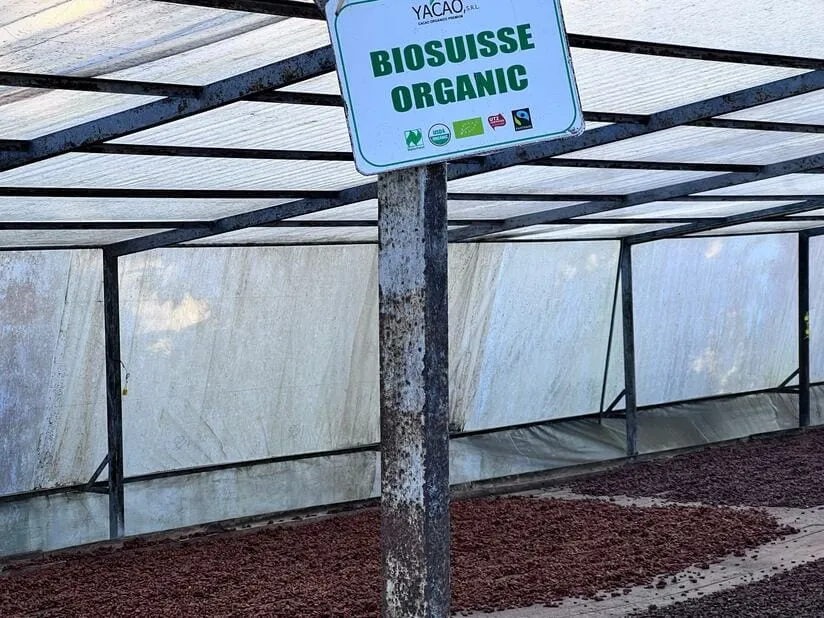
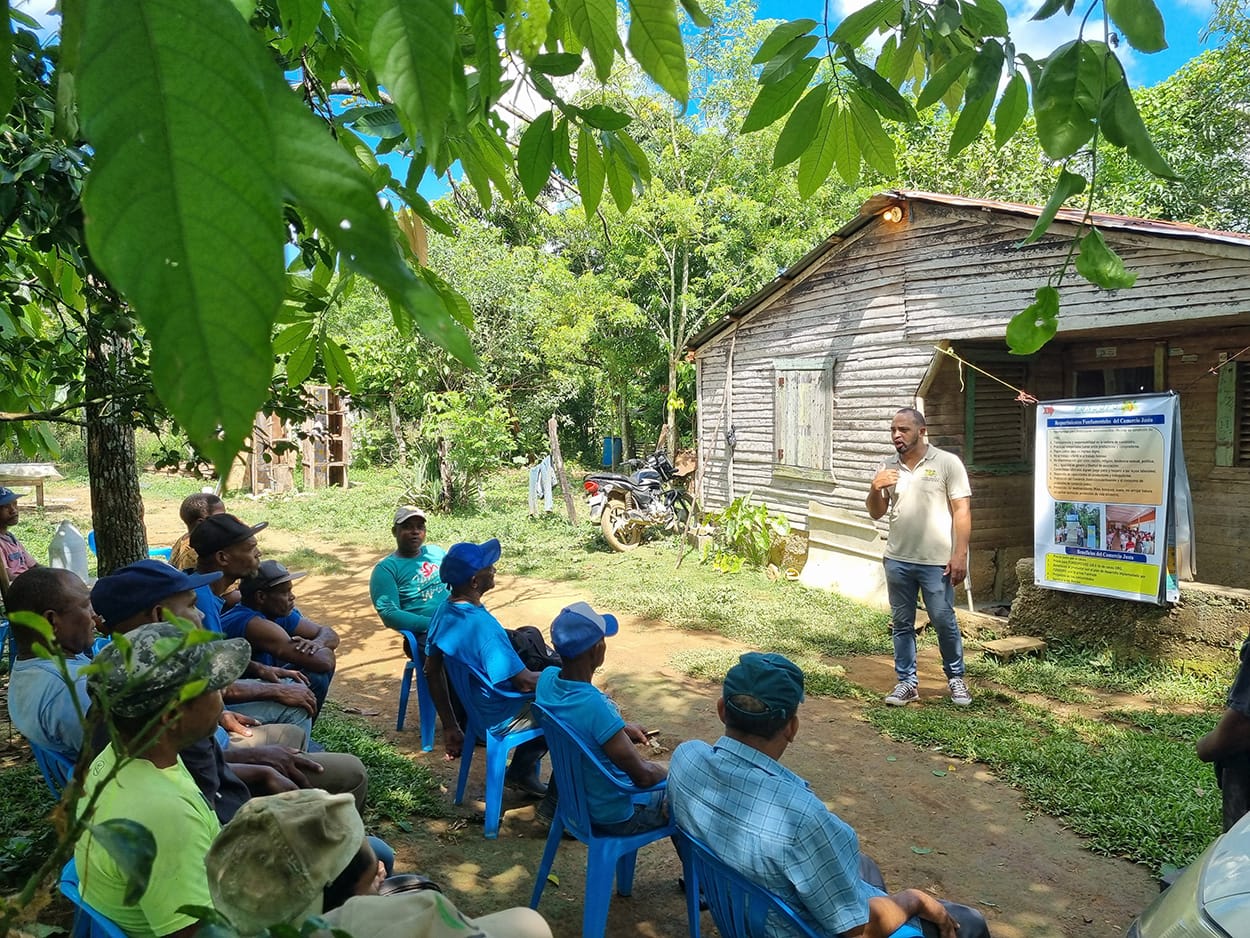
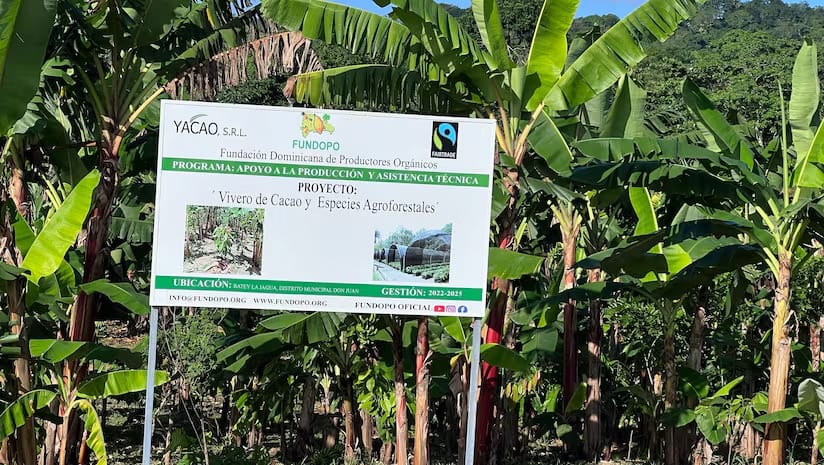
Through its Dominican Republic subsidiary, YACAO, Pronatec works closely with cooperatives such as FUNDOPO to implement direct sourcing, farmer training, and reforestation initiatives.
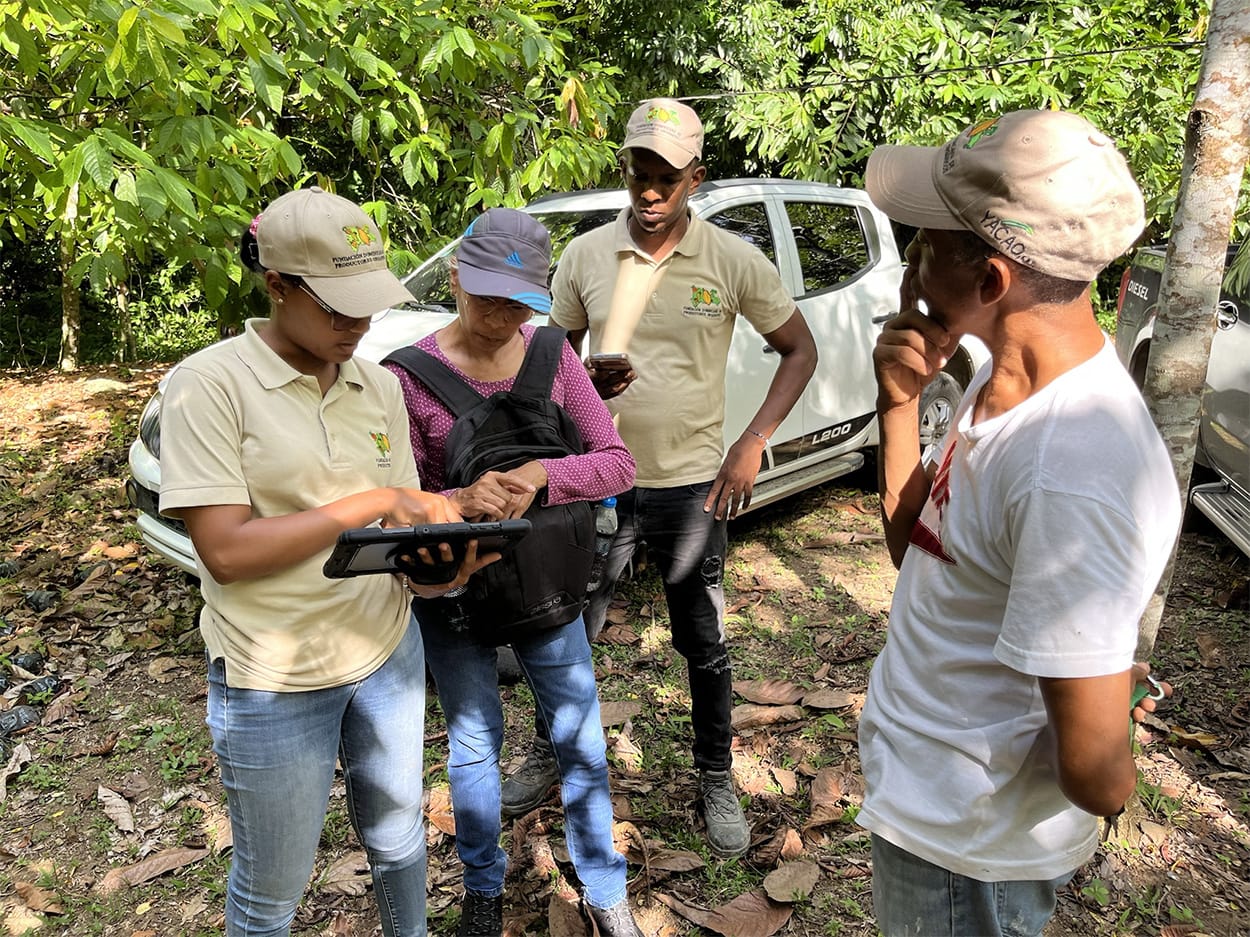
However, compliance is not without friction:
“The operational reality is that obtaining, verifying and managing the required data – especially geolocations – is very time-consuming, while producers face increasingly complex regulatory requirements.”
Despite delays in EUDR implementation, Yersin sees an opportunity: “The revised timeline allows us to refine our approach and support a practical, structured, and as unbureaucratic an implementation as possible.”
The Premium Paradox: Who Captures the Value?
Despite its premium positioning, organic cocoa continues to face a structural challenge: ensuring value reaches farmers.
The 2024–2025 cocoa price surge – rising from roughly €2,000–3,000 to as high as €10,000 per tonne – temporarily boosted farmgate incomes. Yet underlying issues persist:
- Certification and compliance costs can erode premiums
- Cooperative operating expenses reduce farmer payouts
- Additional requirements (traceability, audits, segregation) increase overhead
In some cases, elevated market prices delivered greater income gains than sustainability premiums themselves – raising critical questions about value distribution.
Industry Insight: Pronatec on Farmer Economics
Pronatec’s model aims to address this imbalance through direct sourcing:
“Because we source all our cocoa directly from smallholder cooperatives – never through intermediaries – we can be confident that higher market prices and premiums reach the farmers themselves.”
According to Yersin, these premiums are reinvested into:
- Reforestation
- Organic training
- Community development
“We see this as a fundamental responsibility: delivering high-quality raw materials while actively improving livelihoods at origin.”
Supply Constraints: Agronomy Meets Compliance
Organic cocoa is not just demand-driven – it is inherently constrained by production realities:
- Lower yields without synthetic inputs
- Greater reliance on knowledge-intensive agroforestry systems
- Risk of contamination in mixed supply chains
- Strict EU limits on pesticide residues and heavy metals
At the same time, climate volatility and disease pressures – particularly in West Africa – are increasing the importance of resilient, diversified systems, where organic practices may offer long-term advantages.
Industry Insight: Scaling Supply in a Volatile Market
Despite market fluctuations, Pronatec remains confident in scaling organic supply from the Dominican Republic:
“Over the past 25 years, we’ve built a trusted presence through YACAO and our partnership with FUNDOPO. Farmers know they can rely on fair prices and consistent premiums.”
With approximately 4,000 cooperative members, digitalisation is becoming essential:
“Efficient digital systems are critical. Our software ensures accurate data management, geolocation, and internal control.”
Yersin highlights a proactive approach: “In a volatile market, we stay close to the source – supporting producers through training, technical assistance, and quality assurance.”
Beyond Certification: The Rise of Verifiable Supply Chains
The future of organic cocoa is shifting from certification alone to verifiable, data-driven supply chains.
Leading industry players are converging around:
- Full farm mapping and geolocation
- Satellite monitoring for deforestation
- Digital traceability systems
- Integrated sustainability programmes tied to income metrics
In this evolving landscape, organic cocoa is becoming a testing ground for next-generation sourcing models that intersect compliance, transparency, and storytelling.
CocoaRadar’s Takeaway: Small Segment, System-Level Impact
Organic cocoa may remain a niche by volume, but its strategic importance is undeniable. It:
- Anchors high-integrity supply chains
- Aligns with emerging regulatory frameworks
- Enables premium product innovation
- Exposes unresolved tensions around farmer income and value distribution
For Latin America, the opportunity is clear: maintain leadership in traceable, high-quality organic supply while navigating rising regulatory and cost pressures.
For the industry, the challenge is sharper: prove that the premium for integrity delivers measurable impact at origin.
- Additional source: Organic Cocoa Market (2026 - 2036)
cocoaradar.com is:
- Official Media Partner - CAA International Cocoa Conference
- 'From Our Desk. To Yours. Daily'
- Sign-up here for free and choose your plan.