
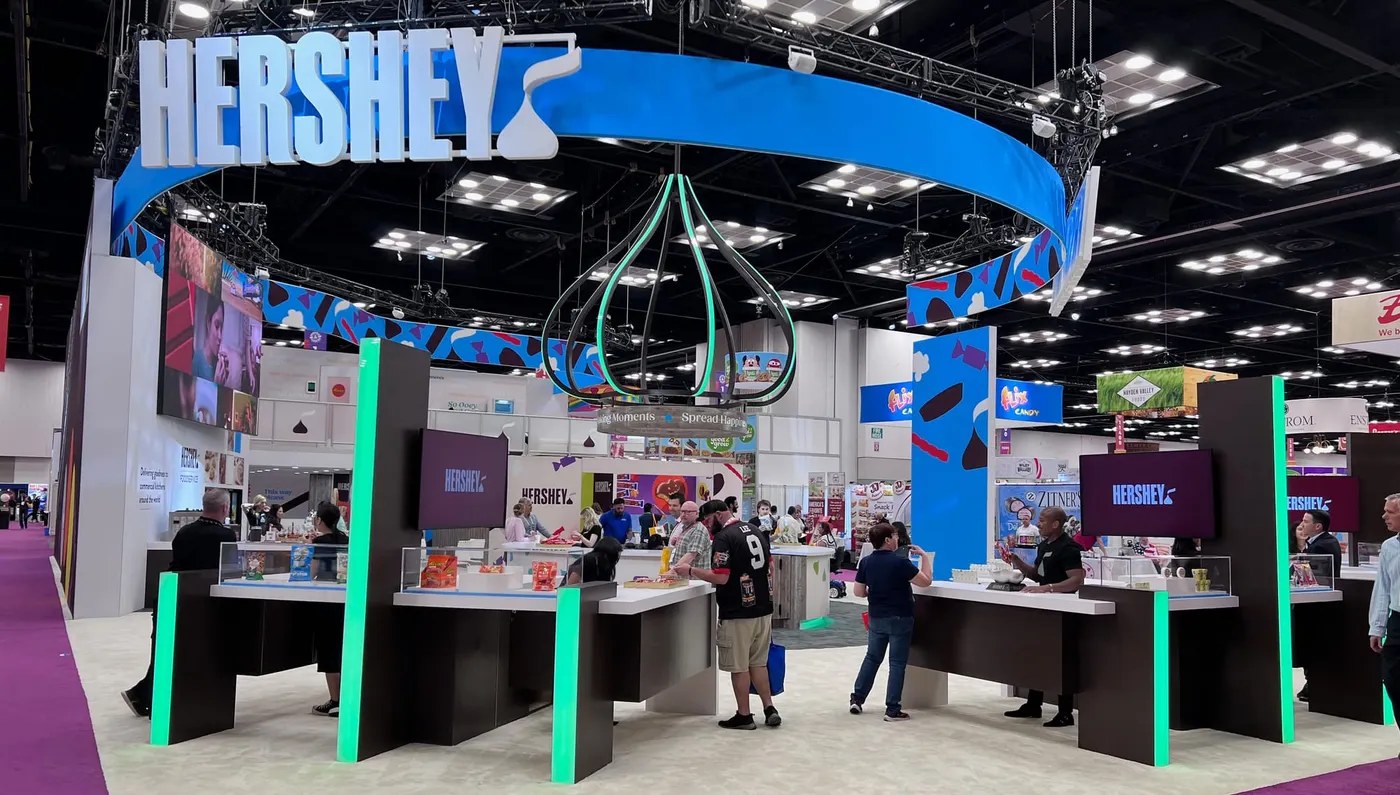
After two years of unprecedented cocoa inflation, the Pennsylvanian company’s investors finally have evidence that profitability is beginning to recover.
Yet a closer examination of both Hershey's financial statements and broader industry trends suggests the story is more nuanced.
The company has successfully demonstrated pricing power, but questions remain about underlying consumer demand, inventory levels and how the benefits of lower cocoa costs will be deployed over the coming quarters.
Advertisement

For cocoa markets, this may mark the beginning of a transition – from surviving record commodity inflation to rebuilding margins in a lower-cost environment.
Pricing, Not Volume, Drove the Quarter
The headline figures were undeniably strong.
Hershey reported second-quarter net sales of $2.79 billion, up 6.6% year-on-year, while adjusted earnings reached $1.90 per share, comfortably ahead of analysts' expectations.
According to Reuters, the company increased prices by approximately 12%, more than offsetting an 8% decline in shipment volumes. That dynamic has become increasingly familiar across the global confectionery sector over the past two years as manufacturers passed soaring cocoa costs on to consumers while protecting profitability.
The key takeaway is straightforward: consumers bought fewer products but paid significantly more for them.