
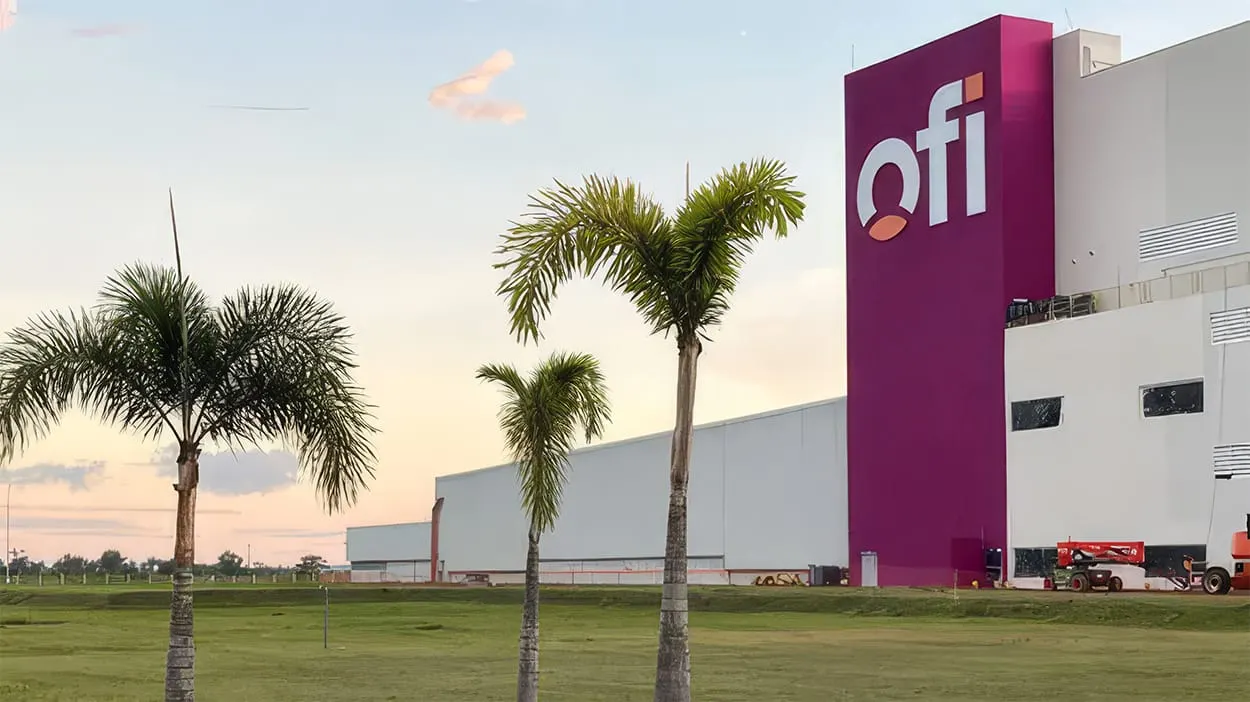
Two developments frame Asia’s cocoa agenda as the Cocoa Association of Asia (CAA) conference opens in Singapore this week: Olam’s food-ingredients business is emerging from extreme commodity-price volatility with greater financial flexibility, while Indonesia is trying to rebuild the domestic supply base its factories need.
 Anthony Myers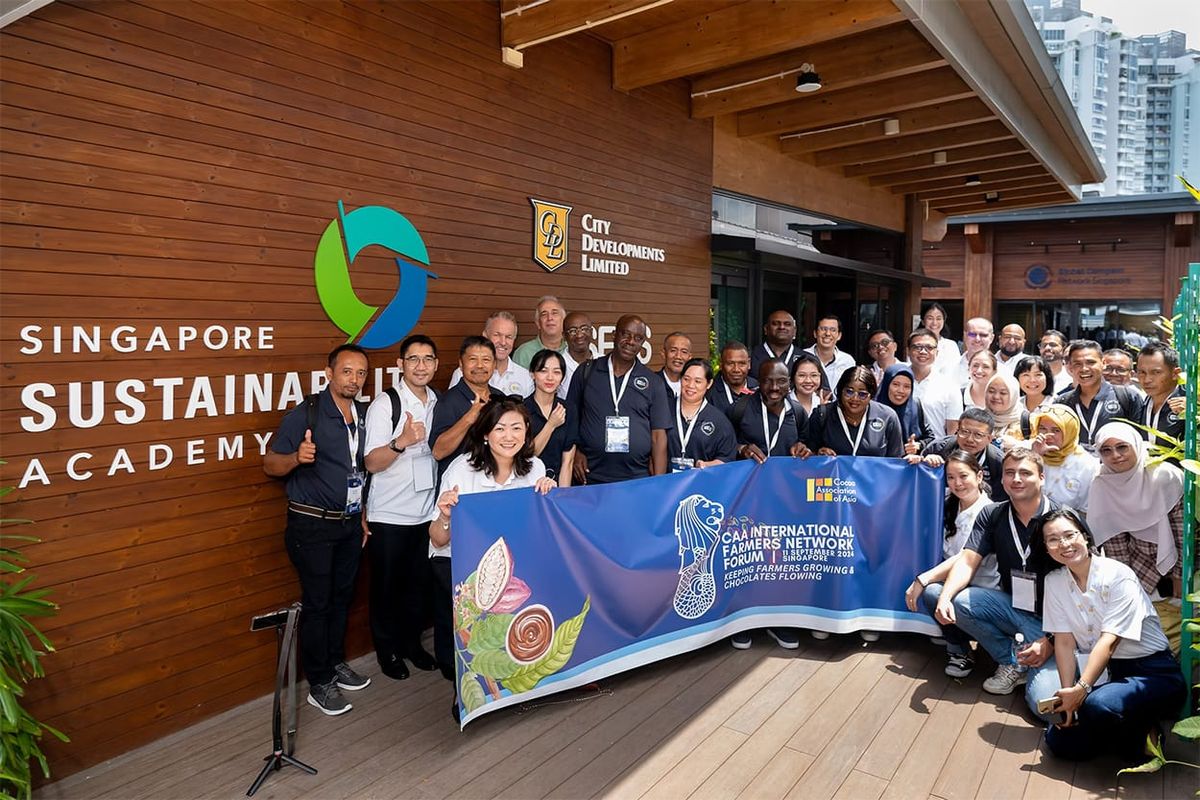
Olam Group reported attributable profit of S$1.91 billion ($1.50bn) for the six months to 30 June, nearly six times the S$323.8 million recorded a year earlier. The headline result was driven mainly by S$1.75 billion in one-off gains from disposals and a revaluation linked to the group’s restructuring – not by a comparable surge in its underlying ingredients business.
Operational profit attributable from continuing operations fell 61.5% against the reported comparator to S$64.4 million, although Olam said the result improved after substantial prior-year foreign-exchange gains were excluded. According to Reuters, the group declared an interim dividend of one Singapore cent and a special dividend of six cents.
Advertisement

For cocoa markets, the more useful signal came from ofi. Revenue at Olam’s food-ingredients division fell 18.1% to S$12.02 billion as lower cocoa and coffee input prices were passed through to customers. EBIT declined by a much smaller 4.9% to S$509.7 million.
That divergence matters. Lower commodity values mechanically reduce reported revenue, but they can also release working capital tied up in inventories and hedging. Together with divestment proceeds, lower working-capital debt at ofi helped reduce Olam Group’s net gearing to 0.93 times from 2.09 times.
Management described ofi as delivering “stable earnings with significant reduction in capital deployment”. However, the division combines cocoa with coffee, dairy, nuts and spices, and Olam did not disclose cocoa-specific margins or volumes.
Its EBIT resilience is therefore informative, but not a clean measure of chocolate demand or cocoa-processing profitability.
Indonesia Faces Processing Challenge
Indonesia presents the physical counterpart to that financial story. Its 11 cocoa processors have combined annual grinding capacity of more than 750,000 tonnes but are operating at only about 60%, according to the Industry Ministry. Over the past decade, domestic harvests have fallen by roughly 5% a year, while bean imports have increased by around 50%.
Indonesia has introduced a cocoa export levy intended to finance replanting, improved seedlings and productivity programmes. The priority is to increase yields on existing smallholder farms – particularly in Sulawesi – before expanding the planted area.
“Today the biggest challenge for the processing industry is the shortage of raw materials,” Indonesian Cocoa Board chairman Soetanto Abdoellah told the Indonesian Cocoa Conference in July.
The economics demand patience. An estimated 200,000–300,000 hectares planted with ageing cocoa trees still require replanting. Newly planted trees typically take about two years to produce their first pods and considerably longer to reach peak yields.
CocoaRadar View
ofi’s results and Indonesia’s revival plan expose the same strategic question from opposite ends of the supply chain: can lower financing pressure and stronger processing economics translate into sustained investment in cocoa farms?
The key indicator is Indonesia’s domestic production-to-grind ratio. A rising ratio would reduce import dependence, improve factory utilisation and support increased exports of higher-value butter, powder and chocolate. If the ratio continues to deteriorate, Indonesia may remain a successful processing hub while becoming less important as a cocoa origin.
For CAA delegates, the numbers to watch are levy disbursements, tree renewal, farmer incomes, imported bean volumes and processor utilisation – not export value alone.
cocoaradar.com is:
- Official Media Partner - CAA International Cocoa Conference
- 'From Our Desk. To Yours. Daily'
- Sign-up here for free and choose your plan.