

The Hashgraph Group and science and technology company Merck are piloting a cocoa traceability system designed to connect physically authenticated products with digital records of their origin, quality and compliance history.
PwC Germany is providing consulting and implementation support for the project, which combines The Hashgraph Group’s TrackTrace Digital Product Passport platform with Merck’s M-Trust authentication technology.
The partners said the system could help cocoa processors, manufacturers and brands improve supply-chain traceability and prepare for the EU Deforestation Regulation, or EUDR. It is also intended to support quality assurance, audits and more targeted responses to product recalls.
Advertisement

The pilot comes as the cocoa sector approaches the EUDR’s latest implementation deadline. The regulation is scheduled to apply to large and medium-sized operators from 30 December 2026. Most micro and small operators have until 30 June 2027, according to the European Commission.
Under the regulation, operators placing cocoa and other covered commodities on the EU market must conduct due diligence and demonstrate that products are deforestation-free and legally produced.
Pressure on Ivorian Readiness
Operational pressures are emerging in Cote d'Ivoire, the world’s largest cocoa-producing country, despite assurances from its Conseil du Café-Cacao (CCC) that the country is ready for the new rules.
Reuters recently reported that a delayed start to the country’s 2026-27 main crop could result in congestion at the ports of Abidjan and San Pedro as exporters rush to ship cocoa before the EUDR takes effect.
Citing two sources at the CCC and five exporters, Reuters said storage capacity could come under pressure in November and December. One source estimated that the main crop had been delayed by eight to 10 weeks because of difficult weather, insufficient farm maintenance and the strength of the preceding mid-crop.
“With this looming delay, we will find ourselves having to export enormous quantities in a short period in December,” an executive at a European export company in Abidjan told Reuters.
Around 900,000 tonnes of cocoa are expected to reach Ivorian ports between October and December 2026, according to the report. The sources’ concerns centre on the prospect of arrivals being compressed into the latter part of that period as the regulatory deadline approaches.
 Anthony Myers
Linking Physical Cocoa to Digital Records
The pilot creates a digital twin and passport for each cocoa batch or product unit. At designated handover and verification points, information can be added through scans, system integrations or operational records.
The passport can contain product identity and origin information, quality records, certificates, due-diligence documents and authentication events.
Merck’s M-Trust technology uses secure markers and scanning devices to authenticate the physical product or its packaging. TrackTrace structures the associated event data, while the Hedera distributed ledger provides timestamped records intended to support auditability.
Authorised supply-chain participants can access the resulting chain of records. Selected information could also be made available to consumers through QR codes or other scan-based services.
“This solution shows how cocoa traceability can move beyond fragmented documentation and self-declared claims,” said Stefan Deiss, CEO and Co-Founder of The Hashgraph Group. “By integrating TrackTrace with Merck’s M-Trust™ technology and PwC’s process expertise, we can link any physical product, not limited to cocoa, to a trusted digital record. This integration provides enterprises with a more robust foundation for compliance, quality assurance, and consumer trust.”
Thomas Endress, Executive Director and Head of M-Trust at Merck, said: “M-Trust verifies that the product being scanned is genuine, while TrackTrace records that authentication event as part of the product’s digital history.”
Advertisement

PwC Germany is supporting the project’s business-process design, governance, workflows, partner onboarding and training. The partners said those operational elements would be necessary to move the technology from a pilot into wider supply-chain use.
Although cocoa is the initial use case, the underlying architecture is intended for sectors including food, pharmaceuticals, luxury goods, electronics and industrial components.
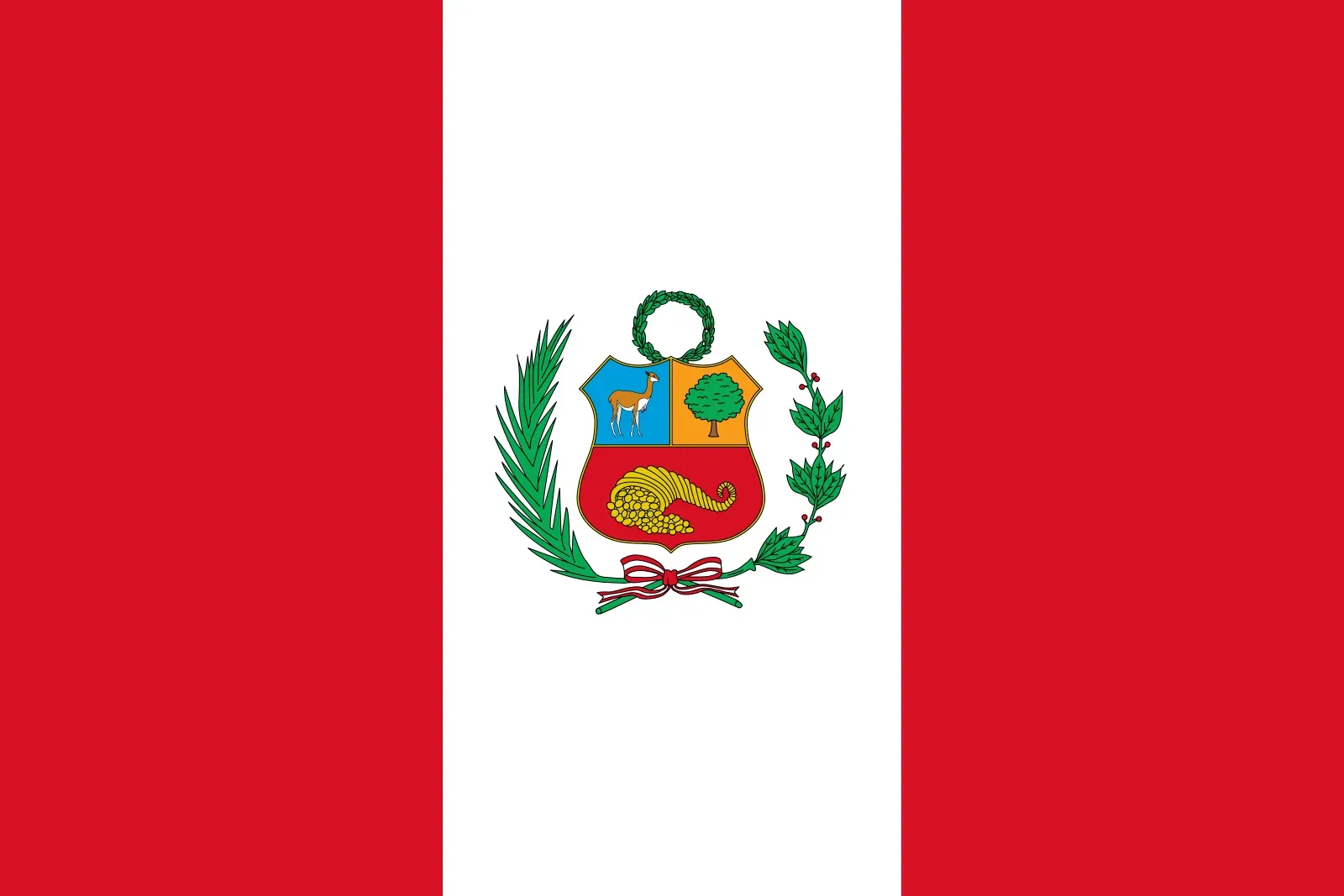
CocoaRadar in Peru
During October 2026, CocoaRadar will publish a series of articles exploring the Peruvian cocoa economy.
Commercial: philippe@cocoaradar.com Editorial: tony@cocoaradar.com