From our desk to yours. Daily.
Join our growing community of members and receive a free version of our daily newsletter on what really matters in cocoa.
No spam. Unsubscribe anytime.
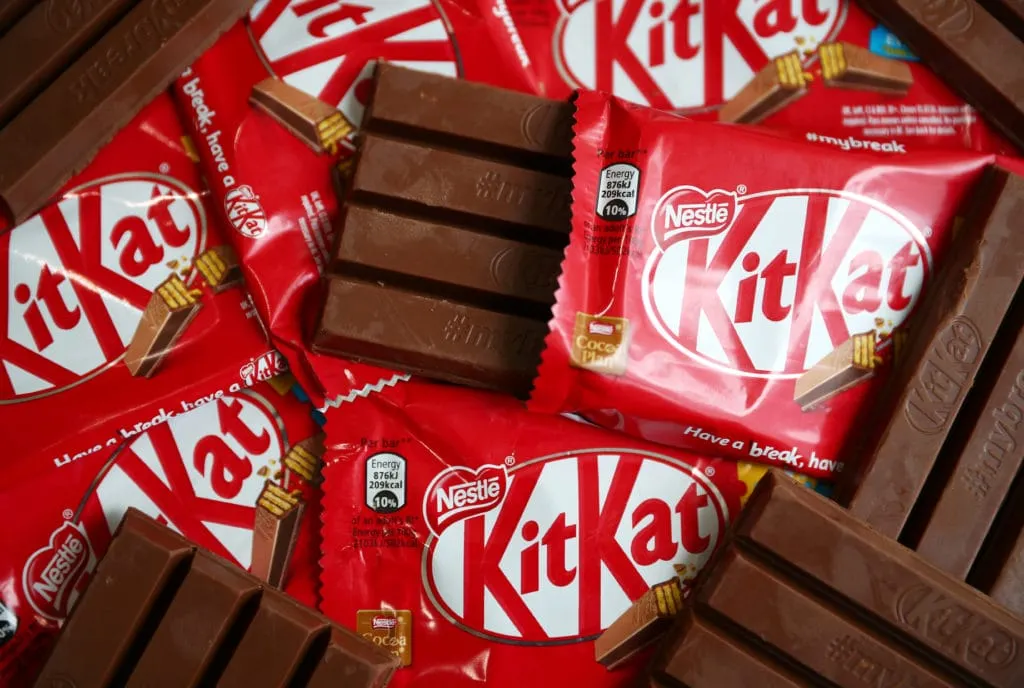
According to reports, the new KitKat recipe will feature a crisper wafer and what executives describe as a subtle 'hazelnut tone', while maintaining the existing cocoa content after a roll-out in European markets from September 2027
But the Swiss food giant insists the changes are designed to broaden the bar’s appeal rather than cut costs in response to volatile cocoa prices.
“We won’t reduce the cocoa share but we will add a ‘third level’ to KitKat, that gives a more complex level of taste,” Rouven Lochmuller, Nestlé’s global brand manager for KitKat, said during the company’s annual media event in Vevey, Switzerland, Bloomberg reported.
Nestlé believes the revised recipe can appeal to consumers who typically favour darker, more complex chocolate flavours without alienating traditional milk chocolate fans. The company said UK consumers will not see any changes because the British recipe, with its characteristic “burned caramel” notes, already matches local taste preferences.
Advertisement

The European changes come just months after Hershey, which manufactures and markets KitKat in the United States under licence, announced plans to introduce a creamier-tasting version of the bar in 2027.
The recipe overhaul arrives after several years of unprecedented disruption in the global chocolate industry, with cocoa prices reaching record highs, forcing manufacturers to rethink pricing, pack sizes, and product formulations. Nestlé maintains, however, that cocoa inflation is easing and says the KitKat reformulation is not being driven by commodity costs.
The changes also follow a mixed track record for KitKat innovation. Nestlé’s plant-based KitKat V, launched after two years of development using a rice-based milk alternative, was discontinued in most markets after struggling to gain sufficient consumer traction.
 Anthony Myers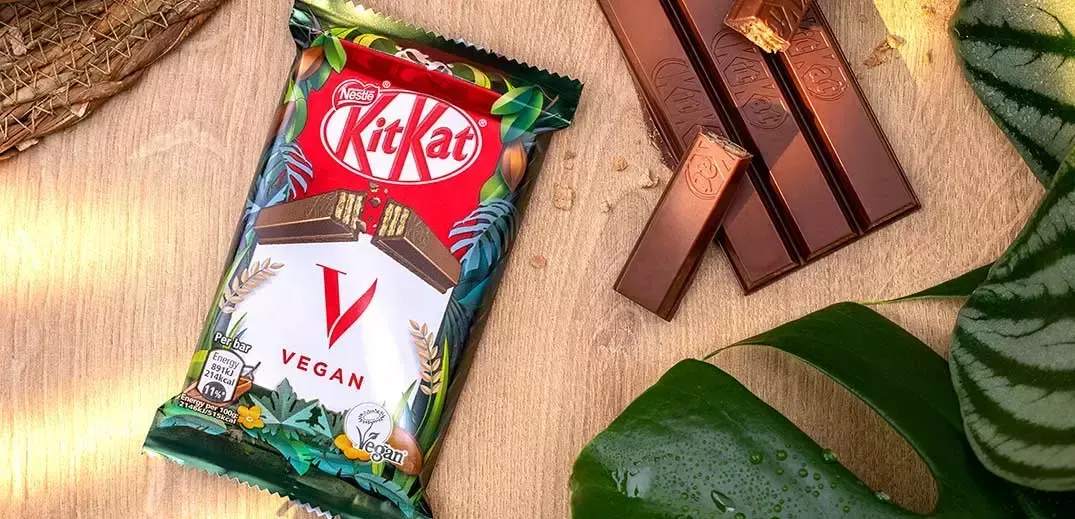
Higher retail prices and limited demand ultimately undermined the product, as CocoaRadar previously reported.
Elimination of Artificial Food Colourings
The KitKat announcement comes as Nestlé embarks on one of its most ambitious reformulation programmes to date.
Earlier this week, the company announced it will eliminate artificial food colourings from every product in its global portfolio by the end of 2026, becoming the first major multinational food manufacturer to commit to a worldwide phase-out.
In an interview with Reuters, Nestlé Chief Technology Officer Stefan Palzer said the initiative extends work already completed in the United States and reflects growing consumer demand for simpler ingredient lists and more natural formulations.
“By the end of the year we will have the global Nestlé portfolio free of artificial colours,” Palzer said, adding that the transition required years of research to identify natural alternatives capable of matching the appearance, performance and shelf life of synthetic colourings.
“It was not a slam-dunk,” he said.
The move aligns Nestlé with a broader industry trend as food manufacturers respond to increasing consumer scrutiny of ingredients and evolving regulatory pressure, particularly in the United States, where the Food and Drug Administration has been encouraging the removal of petroleum-based synthetic food dyes.
Several major food companies have announced similar initiatives in the US, but Nestlé’s commitment is the first to cover its worldwide product portfolio.
A Portfolio for Modern Times
Taken together, the KitKat recipe changes and the global colour-removal programme illustrate Nestlé’s wider strategy of modernising its portfolio through reformulation rather than simply launching new products. As consumer expectations shift toward cleaner labels and more sophisticated flavours, the company appears increasingly willing to revisit even some of its most established brands.
For KitKat, one of the world’s best-known chocolate bars, the challenge will be convincing loyal consumers that change is an improvement rather than a compromise.
cocoaradar.com is:
- Official Media Partner - CAA International Cocoa Conference
- 'From Our Desk. To Yours. Daily'
- Sign-up here for free and choose your plan.